Wutai County Tourism
Shanxi Xinzhou Wutai County — Buddhist Holy Land and Cool World, integrating Wutai Mountain, Foguang Temple, Nanchan Temple, and Zunsheng Temple, blending Buddhist culture with ancient architectural art. A 3-day-2-night in-depth tour decoding the essence of Manjusri Bodhisattva's Dharma Seat, appreciating the unique charm of Buddhist sacred sites and ancient architectural treasures.
Explore Tourism in Xinzhou Districts and Counties
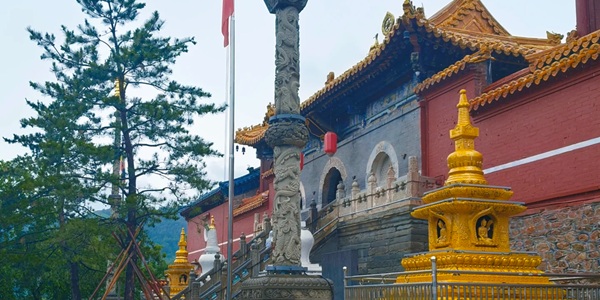
Wutai County 3-Day-2-Night Buddhist Holy Land Pilgrimage Journey
Pilgrimage to Wutai Mountain to experience Buddhist culture, visit Foguang Temple to admire Tang Dynasty wooden architecture, tour Nanchan Temple to see the earliest wooden structure, climb Dailuo Peak for panoramic views of Taihuai
Pay homage to Xiantong Temple and Tayuan Temple in the morning to feel the Buddhist holy land atmosphere; climb Dailuo Peak in the afternoon for a panoramic view of Taihuai; experience temple vegetarian cuisine in the evening to immerse in Buddhist culture.
- Taihuai Town Buddhist-themed Hotels
- Temple Accommodation Experience
- Characteristic Homestays
- Wutai Vegetarian Cuisine
- Tai Mushroom Stewed Chicken
- Golden Lotus Tea
- Sorghum Noodle Fish
- Wutai Mountain entrance fee: ¥135
- Maintain quiet and respect beliefs in temples
- High altitude; pay attention to cold weather protection
Visit Foguang Temple in the morning to admire the essence of Tang Dynasty wooden architecture; tour Nanchan Temple in the afternoon to see the earliest existing wooden structure in China; visit Zunsheng Temple in the evening to experience the serenity of an ancient temple.
- Taihuai Town to Foguang Temple: approx. 1 hour
- Chartered car is recommended for higher efficiency
- Mountain roads are winding; pay attention to driving safety
- Foguang Temple: ¥15
- Nanchan Temple: ¥20
- Zunsheng Temple: ¥10
- Wutai Mountain entrance fee already includes core temples
- Flash photography is prohibited inside ancient buildings
- Hiring a professional guide is recommended
- Respect religious customs and temple regulations
Choose to climb one of the terrace summits in the morning (East or North recommended) to experience the grandeur of "overlooking all other mountains"; purchase Wutai Mountain specialties in the afternoon and conclude the pilgrimage journey with a return trip.
- Climbing to a terrace summit takes 3-4 hours
- It is recommended to choose one summit for an in-depth experience
- Start the return journey before 15:00
- Wutai Mountain Tai Mushrooms
- Golden Lotus Tea
- Six-Path Wood Prayer Beads
- Buddhist Handicrafts
- Vegetarian Pastries
- Wutai Mountain is approx. 2 hours by car from Xinzhou
- Direct shuttle buses from the scenic area are available
- Shipping services are available at the specialty market
Wutai County Must-Try Foods
Wutai Vegetarian Cuisine
Traditional vegetarian food from Wutai Mountain temples, using local specialty Tai mushrooms, tofu, and wild vegetables as raw materials, meticulously prepared with exquisite taste and fresh flavor, embodying the essence of Buddhist dietary culture.
Tai Mushroom Stewed Chicken
A Wutai Mountain specialty dish, using local Tai mushrooms and free-range chicken, slow-stewed with multiple spices. The meat is tender and the soup is rich and flavorful, with high nutritional value.
Golden Lotus Tea
A specialty flower tea from Wutai Mountain, made from high-altitude Golden Lotus flowers. The tea liquor is golden in color with a delicate fragrance, possessing the effects of clearing heat, detoxifying, and nourishing the liver and improving eyesight.
Sorghum Noodle Fish
A traditional noodle dish of Wutai Mountain, made by rolling sorghum flour into small fish shapes, then boiled and served with Tai mushroom stew. The texture is smooth and refreshing, skillfully prepared from coarse grains — healthy and delicious.
- May-Sep: Cool climate, suitable for pilgrimage and sightseeing
- Jul-Aug: Wutai Mountain International Tourism Month with rich activities
- Winter offers snow scenery experiences, but cold weather protection is essential
- Participate in Buddhist Dharma assemblies at Wutai Mountain
- Admire Tang Dynasty wooden architecture at Foguang Temple
- Climb Dailuo Peak to complete the "Small Pilgrimage"
- Taste authentic Wutai vegetarian cuisine
- Watch the sea of clouds and sunrise from East Terrace
- Tickets: Approx. ¥180
- Accommodation: ¥150-300/night
- Dining: ¥80-150/day
- Transportation: ¥100-200 (including scenic area transport)
- Total: ¥800-1500
- Why is Wutai Mountain the Dharma Seat of Manjusri Bodhisattva? → Buddhist scriptures record that Manjusri Bodhisattva resided and preached here
- Why is the East Great Hall of Foguang Temple precious? → It is the largest existing Tang Dynasty wooden structure in China
- When was the Great Hall of Nanchan Temple built? → Third year of Jianzhong in the Tang Dynasty (782 AD), the earliest existing wooden structure in China
- What is the altitude of Wutai Mountain? → The highest peak, North Terrace, is 3061 meters, known as the "Roof of North China"
- How long does a full pilgrimage take? → A grand pilgrimage (all five terraces) takes 2-3 days; a small pilgrimage takes 1 day