Xinjiang County Tourism
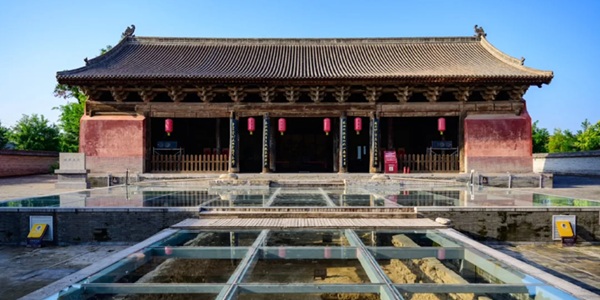
Shanxi Yuncheng Xinjiang County — National Famous Historical and Cultural City, ancient name Jiangzhou, integrating Jiangzhou Grand Hall, Longxing Temple, and Jiangshouju Garden Pool, blending state government culture with traditional craftsmanship. A 2-day-1-night in-depth tour decoding the charm of this millennium-old state capital, appreciating the perfect fusion of Tang Dynasty architecture and intangible cultural heritage.
Explore Tourism in Yuncheng Districts and Counties
Xinjiang County 2-Day-1-Night Historical Culture Journey
Visit Jiangzhou Grand Hall to admire state government grandeur, ascend Longxing Temple to discover the Bilon Stele, tour Tang Dynasty garden to savor ancient Jiangzhou charm, experience Chengni inkstone craftsmanship
Visit Jiangzhou Grand Hall in the morning to appreciate the majestic momentum of the "Premier State Government Hall Under Heaven." Explore Longxing Temple in the afternoon to discover the Bilon Stele and other Tang Dynasty treasures. Stroll through Jiangshouju Garden Pool in the evening to experience the only extant Sui-Tang state government garden in China.
- Characteristic Inns within the Ancient City
- County Center Hotels
- Homestays near Longxing Temple
- Xinjiang Hot Pot
- Biangbiang Noodles
- Mutton Hu Bo (Mutton Stew)
- Guokui (Baked Flatbread)
- Guided tours are recommended at Jiangzhou Grand Hall for historical context
- Exercise caution when ascending the Longxing Temple Pagoda
- Jiangshouju Garden Pool is ideal for sketching and photography
Visit Baitai Temple and Fusheng Temple in the morning to admire the essence of Yuan Dynasty painted sculptures. Experience the national intangible cultural heritage — Chengni inkstone making process — in the afternoon. Purchase Xinjiang specialties in the evening and conclude the enriching cultural journey.
- Ancient city attractions can be visited on foot
- Baitai Temple is approx. 15km from the county seat
- Chengni inkstone workshops are mostly concentrated in the county seat
- Jiangzhou Grand Hall: ¥30
- Longxing Temple: ¥25
- Jiangshouju Garden Pool: ¥20
- Baitai Temple: Free
- Photography of painted sculptures in temples is prohibited (exterior shots allowed)
- Advance reservation is required for Chengni inkstone making experience
- The night view of Xinjiang Ancient City is beautiful; an evening stroll is recommended
Xinjiang County Must-Try Foods
Xinjiang Hot Pot
A Xinjiang specialty traditional delicacy, different from Sichuan hot pot. It uses a copper pot with red-hot charcoal, with ingredients layered inside — primarily pork, tofu, and glass noodles — offering a fresh, delicious flavor and rich nutrition.
Xinjiang Biangbiang Noodles
A traditional Xinjiang noodle dish with chewy noodles. The "biangzi" topping is stir-fried from pork, daylily, wood ear mushroom, and tofu — the broth is fresh and delicious, making it a must-have dish for festivals and celebrations.
Mutton Hu Bo (Mutton Stew)
A characteristic dish of the southern Shanxi region, made with mutton and sliced flatbread as the main ingredients, braised with multiple spices. The broth is fresh and delicious, the mutton tender and smooth, and the flatbread chewy — a beloved breakfast among locals.
Xinjiang Guokui (Baked Flatbread)
A Xinjiang traditional baked flatbread with a crispy exterior and soft interior, available in both savory and sweet varieties. It can be eaten alone or paired with dishes such as Mutton Hu Bo — a daily staple for locals.
- Spring (Apr-May): Pleasant climate, flowers blooming across the city
- Autumn (Sep-Oct): Clear skies and crisp air, ideal for sightseeing
- Avoid the summer heat and winter cold
- Xinjiang Hot Pot
- Biangbiang Noodles
- Mutton Hu Bo (Mutton Stew)
- Guokui (Baked Flatbread)
- Xinjiang Mahua (Fried Dough Twist)
- Tickets: Approx. ¥75
- Accommodation: ¥80-150/night
- Dining: ¥40-80/day
- Transportation: Approx. ¥30
- Total: ¥350-700
- Why is Xinjiang called "Jiangzhou"? — Named after its long history as a state capital, hence the ancient name Jiangzhou
- What are the characteristics of Chengni inkstone? — One of China's Four Great Inkstones, made from silt, with fast ink production, no brush damage, and long ink storage
- Why is the Bilon Stele precious? — A representative work of Tang Dynasty seal script, of exceptional calligraphic value, and the treasure of Longxing Temple
- How does Xinjiang hot pot differ from Sichuan hot pot? — Xinjiang hot pot uses a copper pot with charcoal fire, ingredients are neatly arranged, and the flavor is fresh and savory, not spicy