Jishan County Tourism
Shanxi Yuncheng Jishan County — the hometown of Hou Ji, the origin of Chinese agriculture, integrating Ji Wang Temple, Great Buddha Temple, and Qinglong Temple, blending agricultural civilization with Buddhist art. A 2-day-1-night in-depth tour decoding the origin of Chinese agriculture, appreciating the unique charm of ancient architecture, murals, and the millennium-old jujube orchard.
Explore Tourism in Yuncheng Districts and Counties
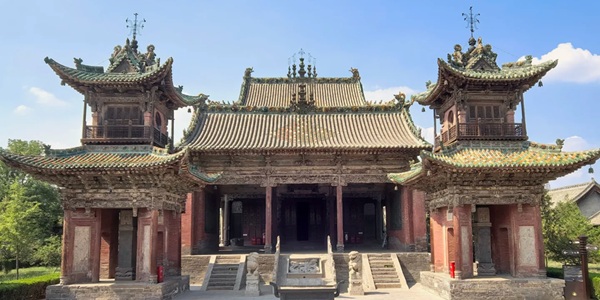
Jishan County 2-Day-1-Night Agricultural Culture Journey
Worship at Ji Wang Temple to trace the source of agriculture, admire the grandeur of the Tang Dynasty stone Buddha, appreciate the exquisite Yuan Dynasty murals, enjoy pastoral pleasures in the millennium-old jujube orchard
Visit Ji Wang Temple in the morning to worship Hou Ji, the ancestor of agriculture, and learn about the origin of Chinese agricultural civilization. Explore the Great Buddha Temple in the afternoon to admire the Tang Dynasty stone Buddha. Stroll through Qinglong Temple in the evening to appreciate the exquisite Yuan Dynasty murals.
- County Center Hotels
- Homestays near Ji Wang Temple
- Farmstays near Qinglong Temple
- Jishan Mahua (Fried Dough Twist)
- Jishan Bingzi (Baked Pancake)
- Mutton Hu Bo (Mutton Stew)
- Jujube Cake
- Respect traditional etiquette during worship at Ji Wang Temple
- Flash photography of the stone Buddha at Great Buddha Temple is prohibited
- Strict protection of murals at Qinglong Temple; observe visiting regulations
Visit Fa Wang Temple in the morning to appreciate Song Dynasty architectural style. Stroll through the Jishan millennium-old jujube orchard in the afternoon to experience fruit picking. Visit the Agricultural Culture Garden in the evening to learn about traditional farming tools and techniques, then purchase Jishan specialty products before concluding the journey.
- Buses connect the county seat to various scenic spots
- Ji Wang Temple is approx. 5km from the county seat
- Jujube orchards are distributed across multiple townships; self-driving is recommended
- Ji Wang Temple: ¥40
- Great Buddha Temple: ¥30
- Qinglong Temple: ¥35
- Fa Wang Temple: Free
- Agricultural Culture Garden: ¥20
- Picking in the jujube orchard requires the farmer's consent
- Autumn is the best season to visit the jujube orchard
- The Agricultural Culture Garden offers hands-on farming tool experiences
Jishan County Must-Try Foods
Jishan Mahua (Fried Dough Twist)
A traditional famous snack of Jishan, dating back to the Qing Dynasty. Made from refined flour, high-quality cooking oil, and natural ingredients, it has a golden color, a crispy and sweet taste, and stays fresh for a long time without going stale. It is a specialty snack renowned throughout China.
Jishan Bingzi (Baked Pancake)
A characteristic pasta of Jishan, with a crispy exterior and soft interior, available in both savory and sweet varieties. The unique baking process fills the air with a tantalizing aroma, making it a beloved daily staple among locals.
Mutton Hu Bo (Mutton Stew)
A traditional delicacy of southern Shanxi, made with mutton and sliced flatbread as the main ingredients, braised with multiple spices. The broth is fresh and delicious, the mutton tender and smooth — an excellent warming dish for winter.
Jishan Jujube Cake
A specialty pastry made from Jishan's famous flat jujubes. It has a rich jujube aroma, a soft and fluffy texture, and is sweet but not cloying — both nutritious and delicious, making it an excellent gift for family and friends.
- Spring (Apr-May): Jujube flowers in full bloom, fragrance fills the air
- Autumn (Sep-Oct): Jujubes ripen, picking experience available
- Summer for escaping the heat, winter for snow scenery
- Jishan Mahua (Fried Dough Twist)
- Jishan Bingzi (Baked Pancake)
- Mutton Hu Bo (Mutton Stew)
- Jujube Cake
- Jishan Flat Jujube
- Tickets: Approx. ¥125
- Accommodation: ¥70-120/night
- Dining: ¥30-60/day
- Transportation: Approx. ¥25
- Total: ¥300-600
- Who was Hou Ji? — The ancestor of the Zhou Dynasty, revered as the God of Agriculture, who taught the people farming and is the founder of Chinese agricultural civilization
- What are the characteristics of Jishan Mahua? — Crispy, sweet, and stays fresh for a long time; it has the reputation of "crispy when dry, fragrant when soaked"
- What is the connection between Qinglong Temple murals and Yongle Palace murals? — Both are masterpieces of Yuan Dynasty mural art, with similar artistic styles and equally important artistic value
- When is the best time for Jishan flat jujubes? — Late September to early October is the optimal picking period, when the jujubes are at their best quality