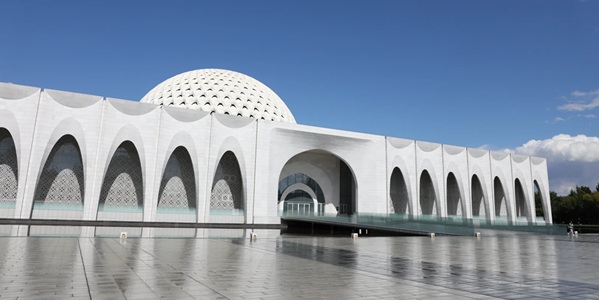
Dachang Hui Autonomous County, Langfang, Hebei — a treasure trove of ethnic customs in the suburbs of Beijing, integrating Dachang Ethnic Palace, Beiwu Mosque, and Chaobai River Ecological Zone, blending Hui ethnic culture with modern aesthetics. A 2-day 1-night in-depth tour decodes the ethnic customs of central Hebei and appreciates the unique charm of the integration of architectural art and folk culture.
Admire modern architectural aesthetics, taste characteristic Hui ethnic delicacies, explore the roots of ethnic culture, and unlock the ethnic customs and ecological beauty of the suburbs of Beijing
Visit Dachang Ethnic Palace in the morning to appreciate architectural aesthetics, explore Beiwu Mosque to experience Hui ethnic religious culture, visit the Planning Exhibition Hall in the afternoon to understand the development context, and stroll around the food street in the evening to taste ethnic characteristic snacks.
Stroll in Chaobai River Cherry Blossom Park in the morning to appreciate natural scenery, explore Chenfu Ecological Zone to experience rural fun, visit the Filigree Inlay Workshop in the afternoon to experience intangible cultural heritage craftsmanship, and purchase local specialties in the evening before returning.
The signature dish of Dachang Hui ethnic group, selected local free-range goats, cooked in clear water and eaten with salt. The meat is tender and juicy, retaining the original flavor, reflecting the Hui ethnic dietary concept of "clean, true, fresh".
A traditional Hui ethnic pasta made of flour, vegetable oil and yeast, fried until golden yellow with a soft taste. It is an essential food for festivals or entertaining guests, symbolizing "auspiciousness and prosperity".
Braised beef made with a century-old inherited craftsmanship, selected beef shank, slow-cooked with more than ten kinds of spices in old soup. The meat is firm but not tough, with a rich sauce flavor, crystal clear when sliced, and an excellent side dish.
A characteristic fried food of the Hui ethnic group, made by pulling dough into thin strips, coiling and frying. It is golden in color, crispy and delicious, can be eaten directly or soaked in milk tea, suitable for festivals and daily life.