Huanghua City Tourism
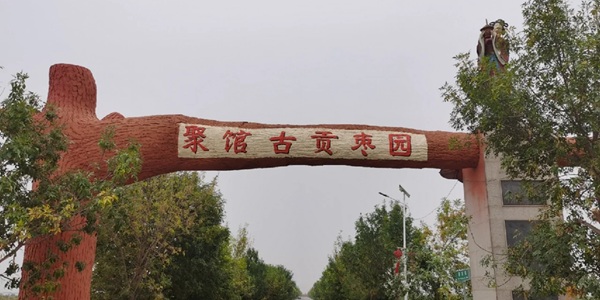
Huanghua City, Cangzhou, Hebei Province - a coastal city on the bank of the Bohai Bay, named after the martyr Huang Hua. It has characteristic resources such as Nandagang Wetland known as the "Kidney of North China", the thousand-year-old Juguan Ancient Tribute Jujube Garden, and the 100-million-ton Huanghua Port. It combines coastal customs, jujube township culture and red memory. A 2-day 1-night tour allows you to enjoy the wetland and sea view, and taste seafood and jujube fragrance.
2-Day 1-Night Coastal Jujube Township Tour in Huanghua City
Visit the wetland to watch thousands of birds chirping, explore the jujube garden to taste thousand-year-old tribute jujubes, stroll around the seaport to watch giant ships sailing, and taste seafood to enjoy the Bohai Sea feast
Explore Nandagang Wetland in the morning to watch migratory birds perching and playing; stroll through Juguan Ancient Tribute Jujube Garden in the afternoon to taste the sweetness of thousand-year-old winter jujubes; visit the Seafood Food Street in the evening to taste fresh seafood from the Bohai Bay.
- Seafood-themed hotels in urban area
- Nandagang Wetland Homestays
- Juguan Village Jujube Garden Farmhouses
- Huanghua Swimming Crab
- Steamed Mantis Shrimp
- Juguan Winter Jujube
- Shrimp Paste with Wotou (Steamed Corn Bun)
- It is recommended to bring binoculars for bird watching in the wetland (available for rent in the scenic area, ¥30 per unit)
- Juguan winter jujube picking is charged by weight (about ¥30 per catty), please pick and place gently
- Restaurants on the seafood street have clearly marked prices, you can compare before choosing
Visit Huanghua Port in the morning to watch giant ships entering and exiting; stroll around Fengjiabao Fishing Port in the afternoon to buy fresh seafood; pay homage to Huanghua Martyrs Memorial Hall in the afternoon to cherish the memory of the martyrs' deeds, buy souvenirs and return.
- Huanghua Port can be reached by special bus from urban area to Harbor Development Zone (once per hour)
- Fengjiabao Fishing Port is a 10-minute taxi ride from Huanghua Port
- Martyrs Memorial Hall can be directly reached by urban bus No.2
- Nandagang Wetland: ¥50 per person (including cruise ship)
- Juguan Ancient Tribute Jujube Garden: ¥30 per person
- Huanghua Port Golden Beach: ¥40 per person
- Huanghua Martyrs Memorial Hall: Free (ID card required)
- Fengjiabao Fishing Port: Free
- It is windy at Huanghua Port, it is recommended to bring a windproof coat
- You can bargain when purchasing seafood at Fengjiabao Fishing Port, and pay attention to the accuracy of the scale
- Winter jujubes have a short shelf life (about 7 days), it is recommended to store them in the refrigerator after purchase
Must-Try Foods in Huanghua City
Huanghua Swimming Crab
The iconic seafood of Huanghua, with tender meat and plump roe due to the unique water quality of the Bohai Bay, especially female crabs in autumn are the best. The main cooking method is steaming, which retains the umami taste to the greatest extent. It is praised as "the crab meat melts in the mouth, and the roe is fragrant and glutinous with a sweet aftertaste", and is a representative of Bohai Bay seafood.
Juguan Winter Jujube
The thousand-year-old tribute fruit of Huanghua, produced only in Juguan Village. The fruits are large with thin skin, crisp and sweet with juicy flesh, containing 70 times more vitamin C than apples. It was a royal tribute in the Ming and Qing dynasties, known as the "King of Hundred Fruits". It can be eaten fresh or made into dried winter jujubes and winter jujube wine. The best time to taste is during the autumn picking season (September-October).
Shrimp Paste with Wotou
A traditional fisherman's food in Huanghua, made of corn flour into wotou (steamed corn bun) and served with local shrimp paste (fermented from small Bohai Sea shrimps). The wotou is soft and slightly sweet, and the shrimp paste is salty and fragrant with umami taste. It was a convenient food for fishermen to supplement nutrition in the early years, and now it has become a classic match to experience fisherman's flavor.
Steamed Mantis Shrimp
A common seafood dish in Huanghua, selected fresh mantis shrimps (scientific name: Squilla mantis), steamed in clear water and eaten with ginger vinegar. The meat is chewy and sweet. Female shrimps during the spawning period in spring have "roe" and taste more rich. It is a best-selling dish in seafood food stalls, reflecting the dietary philosophy of "freshness comes from the sea".
- Spring (April-May): Peak migration period of migratory birds in Nandagang Wetland, mantis shrimps are plump
- Autumn (September-October): Juguan winter jujubes are ripe, swimming crabs are the fattest, and the climate is cool
- Summer (July-August): Huanghua Port Golden Beach is suitable for playing in the water, and there are rich types of seafood
- Huanghua Swimming Crab (Laochuanzhang Seafood Restaurant on Seafood Street)
- Juguan Winter Jujube (picked on site in Juguan Village Jujube Garden)
- Shrimp Paste with Wotou (Yujia Xiaoyuan in Fengjiabao Village)
- Steamed Mantis Shrimp (Seafood Stall beside the Fishing Port)
- Huanghua Blood Clam
- Tickets and Experiences: About ¥170
- Accommodation: ¥120-200 per night (hotel/homestay)
- Catering: ¥100-150 per day (including seafood)
- Transportation: About ¥50 (intra-county transportation)
- Total: ¥400-700
- Why are Juguan winter jujubes especially sweet? → Due to the unique sandy soil and groundwater in Juguan Village, the sugar content reaches more than 35%
- Can 10,000-ton giant ships be boarded at Huanghua Port? → Visitors can watch from a distance, but cannot board the ships. There is a simulated experience in the Port Museum
- Can red-crowned cranes be seen in Nandagang Wetland? → Red-crowned cranes overwinter in winter (November-February), need to wait at the bird watching platform early in the morning
- How to preserve and take away seafood? → The market provides vacuum packaging, can be preserved with ice packs for short trips, and refrigerated transportation is recommended for long trips