Hejian City Travel
Hejian City, Cangzhou, Hebei Province — an ancient county with a history of over 2700 years, was the seat of the Hejian State during the Warring States Period, and the governance of Hejian Prefecture in the Ming and Qing dynasties, enjoying the reputation of the 'No.1 Prefecture South of Beijing'. It has national key cultural relic protection units such as Hejian Prefectural Office, intangible cultural heritage donkey fire, Xihe Dagu and other characteristic resources, combining ancient prefecture culture, folk customs and red memory. A 2-day & 1-night tour allows you to touch the millennium history and taste the intangible cultural heritage on the tip of your tongue.
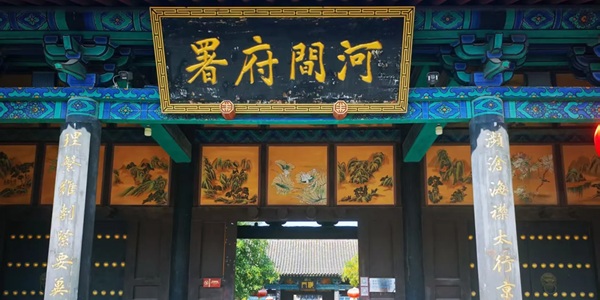
2-Day & 1-Night Ancient Prefecture Cultural Tour of Hejian City
Visit the prefectural office to watch Ming and Qing official etiquettes, taste fire-baked cakes to enjoy intangible cultural heritage delicacies, listen to Dagu to appreciate folk art, remember martyrs to inherit the red spirit
Explore Hejian Prefectural Office in the morning to experience the culture of Ming and Qing official offices; check in at the Donkey Fire Cultural Park in the afternoon to learn to make intangible cultural heritage food; listen to Xihe Dagu at Guangming Theatre in the evening to appreciate traditional folk art.
- Antique Inns around the Prefectural Office
- City Express Hotels
- Cultural Park Themed Homestays
- Hejian Donkey Fire (Caohe School)
- Hejian Crisp Candy
- Hejian Smoked Meat
- Crisp Sesame Seed Cake
- Audio guide for the Prefectural Office: ¥20 per unit, recommended to rent (including interactive games)
- Experience classes at the Fire Cultural Park need to be booked 1 hour in advance (¥30 per person)
- Performance tickets for Guangming Theatre should be purchased 1 day in advance, which are in short supply on weekends
Pay homage to Bethune's Former Operating Room Site in the morning to cherish the internationalist spirit; visit Hejian Museum in the afternoon to systematically understand the local history; listen to books and taste tea at Xihe Dagu Book Club in the afternoon, then buy souvenirs and return.
- Bethune Memorial Hall: self-driving or take the special bus to Wofotang Town (6 trips per day)
- Hejian Museum: reachable by urban bus No.5
- Xihe Dagu Book Club: 8 minutes' walk from the museum
- Hejian Prefectural Office: ¥40 per person
- Donkey Fire Cultural Park: Free (experience classes extra)
- Guangming Theatre Performance Ticket: ¥30 per person
- Bethune Memorial Hall: Free (ID card required)
- Hejian Museum: Free
- Bethune Memorial Hall has student volunteer explainers (weekends) with vivid explanations
- VR experience at the museum needs to queue (10 minutes per person), it is recommended to arrive early
- Vacuum-packed donkey fire (shelf life 5 days) can be used as gifts
Must-Try Foods in Hejian City
Hejian Donkey Fire (Caohe School)
The iconic intangible cultural heritage food of Hejian, a national intangible cultural heritage, represented by the Caohe school craftsmanship: the fire-baked cake is made of dead dough (unleavened), baked on an iron griddle and then roasted over charcoal fire, with a crispy and charred outer skin; the donkey meat is selected from local donkey rib meat, sliced after being stewed in old soup, stuffed into the fire-baked cake, served with green peppers or stewed vermicelli, rich in salty aroma, known as "One bite of fire-baked cake, even immortals want to taste it".
Hejian Crisp Candy
A traditional pastry of Hejian, originated in the Qing Dynasty, made from sesame seeds, white sugar and maltose through 18 processes such as boiling sugar, pulling sugar and shaping, with a crispy and sweet taste, melting in the mouth without sticking to the teeth. Also known as "Dragon Beard Crisp Candy" because of its thin strip shape, it is a necessary dessert and gift for festivals.
Hejian Smoked Meat
A characteristic meat dish of Hejian, selected pork belly or donkey meat, processed through salting, boiling and smoking with cypress or pine wood, with tight meat texture and rich smoked aroma. It can be eaten cold directly by slicing, or stuffed into fire-baked cakes or served with rice, being the first choice for cold dishes at local banquets, and known as the "Two Wonders of Hejian" together with fire-baked cakes.
Crisp Sesame Seed Cake
A traditional pasta of Hejian, made from flour and vegetable oil, baked after folding multiple layers of dough, with sesame seeds dotted on the outer skin, crispy inside with layers, salty and slightly numb. It can be eaten alone or stuffed with smoked meat or eggs, being a common choice for breakfast and street food, and known as the "Two Fires of Hejian" together with donkey fire.
- Spring (April-May): Mild climate, suitable for visiting the prefectural office and outdoor activities
- Autumn (September-October): Donkey meat is at its best, and Hejian Donkey Meat Culture Festival (October) has rich activities
- 23rd of the twelfth lunar month to 16th of the first lunar month: "New Year Folk Art Show" at Guangming Theatre with strong New Year flavor
- Hejian Donkey Fire (Laojianhe Fire Shop on Hongpailou Street)
- Hejian Crisp Candy (Century-Old Crisp Candy Workshop on Culture Street)
- Hejian Smoked Meat (Li's Smoked Meat Stall at Yingzhou Market)
- Crisp Sesame Seed Cake (Zhang's Sesame Seed Cake at Morning Market)
- Hejian Tofu Pudding
- Tickets and Experiences: About ¥120 (including performances and experience classes)
- Accommodation: ¥100-180 per night (inn/hotel)
- Catering: ¥50-80 per day
- Transportation: About ¥40 (intra-county transportation)
- Total: ¥350-600
- Are there schools of Hejian donkey fire? → Divided into Caohe school (dead dough fire-baked cake) and Hejian school (leavened dough fire-baked cake), Caohe school is authentic locally
- What are the representative repertoires of Xihe Dagu? → "Hujia Jiang", "Xuejia Jiang", "The Quarrel Between Young Couple Over a Lamp", etc., the book club rotates performances daily
- What is the "Prefect Judging Cases" experience at the prefectural office? → Tourists play the roles of prefect, plaintiff and defendant, judge cases according to cases, with staff guidance
- Can donkey fire be taken away in vacuum packaging? → Most shops provide vacuum packaging, which can be stored at room temperature for 3-5 days and refrigerated for 7 days