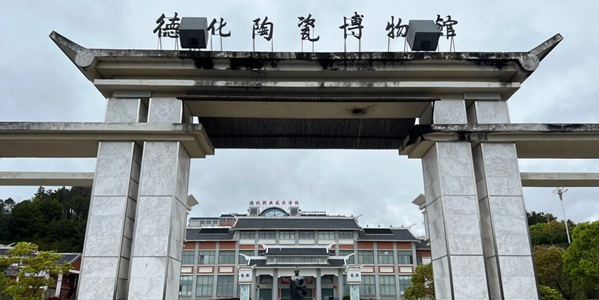
Dehua County, Quanzhou City, Fujian Province – one of China's three ancient porcelain capitals, featuring distinctive scenic spots such as Jiuxian Mountain, Dehua Ceramic Museum, and Daixian Waterfall. Experience the perfect integration of millennium ceramic culture and magnificent mountains and rivers in a 2-day 1-night tour.
Seeking the charm of the porcelain capital, exploring ancient kilns, seeking enlightenment on fairy mountains, and watching the wonders of waterfalls
In the morning, wander through Dehua Ceramic Museum to appreciate the charm of the porcelain capital; in the afternoon, visit Qudougong Ancient Kiln Site to trace the history of porcelain making; in the evening, stroll around Ceramic Street to purchase ceramic crafts.
In the morning, climb Jiuxian Mountain to watch the sea of clouds and sunrise; in the afternoon, explore Shiniu Mountain to experience geological wonders; in the evening, admire Daixian Waterfall and listen to the roar of the falling water.
A characteristic poultry in Dehua, named for its black feathers, skin and muscles. It has tender meat, delicious taste, rich in amino acids, is a nourishing delicacy, and is known as the "Chinese Black Treasure".
A traditional soup in Dehua, made from local wild bitter vegetables cooked with lean meat or pork ribs. It is bitter with a sweet aftertaste, has the effect of clearing heat and detoxifying, and is a common summer heat-relieving soup in the local area.
Traditional pastries in Dehua, with glutinous rice as the skin, wrapped with fillings such as peanuts, sesame, and white sugar, and coated with shredded coconut or peanut powder on the outside. They have a soft and sweet taste and are essential food for festivals.
A characteristic medicinal soup in Dehua, cooked with local herbal medicine Guojicao and pork small intestines. It has a unique taste and has the effect of appetizing and invigorating the spleen, and is a traditional folk therapeutic soup in the local area.