Shuangqing District Tourism, Shaoyang City, Hunan Province
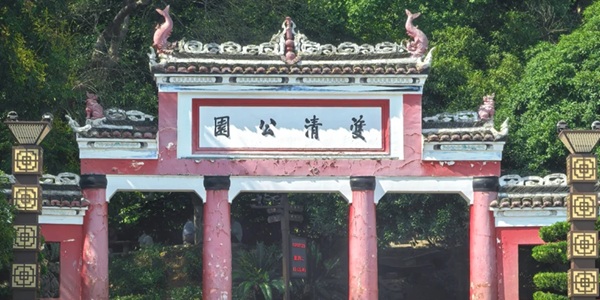
Shuangqing District, Shaoyang City, Hunan Province — the core area of the ancient city at the confluence of Zijiang River and Shaoshui River, integrating natural landscapes and cultural heritage. It features distinctive scenic spots such as Shuangqing Park, Dongta Park, and Baoqing Ancient City Wall. Experience the diverse customs of "confluence of two rivers + ancient pagoda style + ancient city memories" in 2 days.
2-Day Ancient City and Nature Tour in Shuangqing District
Enjoy the scenery of two rivers, trace the footprints of ancient pagodas, explore the ancient city, and recall the red revolutionary history
Visit Shuangqing Park in the morning to admire the beautiful scenery of the confluence of Zijiang River and Shaoshui River; stroll along Baoqing Ancient City Wall in the afternoon to explore the historical marks of Shaoyang Ancient City.
- Take bus No.1 or No.6 in Shaoyang urban area to Shuangqing Park Station
- Walk from Shuangqing Park to Baoqing Ancient City Wall (about 15 minutes)
- Walk along the ancient city wall, some sections are close to residential areas
- It is recommended to wear comfortable sports shoes for walking tours
- Shuangqing Park: Free
- Baoqing Ancient City Wall: Free (some exhibition halls ¥5)
- Baoqing Pig Blood Ball
- Shaoyang Rice Noodles
- Fried Glutinous Rice Cake
- Zijiang River Fish Fillet
Climb Dongta Park in the morning to overlook the panoramic view of the urban area; visit Shuifu Temple in the afternoon to experience folk culture, then go to the Site of the Eighth Route Army's Hunan Communication Office to cherish the memory of revolutionary history.
- Take bus No.10 or No.18 directly to Dongta Park
- Take a taxi from Dongta Park to Shuifu Temple for about 10 minutes
- Take bus No.3 from Shuifu Temple to the Site of the Eighth Route Army's Hunan Communication Office
- The attractions are close to each other, suitable for visiting by taxi or cycling
- The stairs of Dongta Tower are steep, please pay attention to safety when going up and down
- No loud talking in Shuifu Temple, respect religious customs
- Keep solemn when visiting red scenic spots
- There are many mosquitoes in the park in summer, it is recommended to bring mosquito repellent supplies
Must-Try Foods in Shuangqing District
Baoqing Pig Blood Ball
A classic traditional food in Shuangqing District, made of pig blood, pork and tofu mixed into balls and smoked. The finished product is black in color, rich in aroma, and firm in taste. It can be steamed or fried, and is a necessary food for festivals in Shaoyang area, reflecting the unique dietary culture of central Hunan.
Shaoyang Rice Noodles
A common street food in Shuangqing District, mainly made of rice noodles from local early indica rice, served with soup base boiled from pork bones or beef bones, supplemented with toppings such as beef, mixed sauce, and fungus. The rice noodles are smooth and chewy, and the soup is delicious, which is a favorite breakfast choice of local people, full of market vitality.
Fried Glutinous Rice Cake
A traditional snack in Shuangqing District, made of glutinous rice flour wrapped with red bean paste or sugar filling and fried until golden. It is crispy on the outside and soft on the inside, sweet and delicious, often served as a festival food or breakfast. Especially during the Spring Festival, every household will make it, implying reunion and happiness.
Zijiang River Fish Fillet
Selected fresh fish from the Zijiang River basin, cut into pieces, marinated, fried or braised in brown sauce. The fish meat is fresh and tender, with a mellow taste and no earthy smell. It is a representative river fresh dish in Shuangqing District, reflecting the dietary characteristics along the Zijiang River. It is more flavorful with local chili stir-fried.
- Spring (March-May): The park is in full bloom, suitable for outdoor tours
- Autumn (September-November): Cool weather, suitable for mountain climbing and ancient city strolling
- Summer (June-August): You can enjoy the magnificent water scenery of the confluence of two rivers, pay attention to heatstroke prevention
- Winter (December-February): Fewer tourists, you can experience the tranquility of the ancient city in winter
- Watch the grand scenery of the confluence of Zijiang River and Shaoshui River at Shuangqing Park
- Search for the remains of ancient city gates at Baoqing Ancient City Wall
- Climb to the top of Dongta Tower to overlook the panoramic view of Shuangqing District
- Experience traditional folk culture at Shuifu Temple
- Taste Shaoyang Rice Noodles with Pig Blood Ball
- Tickets and transportation: ¥30-80 (including a small amount of attraction tickets and transportation fees)
- Catering: ¥50-90 per day
- Accommodation: ¥60-130 per night (urban hotels or characteristic homestays)
- Shopping: ¥20-80 (specialty cured meat, traditional pastries and other local products)
- Total: ¥120-380
- Is Shuangqing Park suitable for shooting sunrises? → Yes, the riverside location is a good place to watch the sunrise
- Can I climb to the top of Dongta Tower? → Yes, please pay attention to safety when climbing, it may be closed in some periods
- Is Baoqing Ancient City Wall open at night? → Some sections are open, it is recommended to visit during the day for safety
- Is Shuangqing District far from Langshan Scenic Area? → About 120 kilometers, you can take a long-distance bus to go there