Jingzhou Miao and Dong Autonomous County Travel, Huaihua City, Hunan Province
Jingzhou Miao and Dong Autonomous County, Huaihua City, Hunan Province - a pearl of Miao and Dong ethnic cultures at the border of Hunan, Guizhou and Guangxi. It integrates magnificent mountains and beautiful waters, Miao-Dong ethnic cultures, and historical sites, featuring attractions such as Feishan Scenic Area, Disun Miao Village, and Wenfeng Pagoda. Experience the diverse customs of "Feishan Scenic Beauty + Miao Village Customs + Wenfeng Pagoda Ancient Rhyme" in one day.
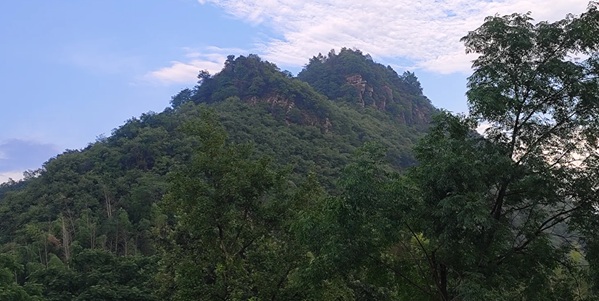
One-Day Miao-Dong Cultural Tour of Jingzhou Miao and Dong Autonomous County
Feishan Scenic Exploration, Miao Village Discovery, Wenfeng Pagoda Historical Visit
Climb Feishan Scenic Area in the morning to admire the spectacular peaks; visit Disun Miao Village in the afternoon to experience original ecological Miao customs; tour Wenfeng Pagoda and Qushui Scenic Belt in the evening, and visit Jingzhou Ethnic Museum.
- Take the Huaihua-Jingzhou special bus from Huaihua urban area to reach the county seat
- Disun Miao Village is about 40 kilometers from the county seat, need to transfer to local transportation
- The distance between attractions is moderate, it is recommended to charter a car or take a taxi
- There are buses connecting major attractions in the county seat
- Feishan Scenic Area: ¥40 per person (half price for students)
- Disun Miao Village: Free
- Wenfeng Pagoda: ¥10 per person
- Qushui Scenic Belt: Free
- Jingzhou Ethnic Museum: Free (registration required)
- Jingzhou Red Bayberry
- Miao Pickled Fish
- Bacon Fried Fern
- Oil Tea
- Blood Rice Cake Duck
Must-Try Foods in Jingzhou Miao and Dong Autonomous County
Jingzhou Red Bayberry
Jingzhou's specialty and a national geographical indication product of China. The fruits are large, bright in color, juicy and sweet, rich in vitamin C and various trace elements. June every year is the ripening season of bayberries, which can be eaten fresh or processed into bayberry wine, dried bayberry and other products, making it the most representative specialty fruit of Jingzhou.
Miao Pickled Fish
A traditional special dish of the Miao ethnic group in Jingzhou, made of fresh river fish with glutinous rice, chili, ginger and other ingredients using traditional Miao fermentation techniques. The fish meat is sour and fragrant with a unique flavor, which is a representative dish of Miao dietary culture, reflecting the unique dietary wisdom of the Miao ethnic group.
Bacon Fried Fern
A special wild mountain dish in Jingzhou, made by stir-frying local bacon with fresh spring ferns, chili, garlic sprouts and other seasonings over high heat. The bacon is salty and fragrant, the fern is crisp, and the taste is delicious, reflecting the dietary characteristics and seasonal food culture of Jingzhou mountainous area.
- Spring (March-May): Blooming flowers and pleasant climate
- June: Bayberry ripening season, can experience picking
- Autumn (September-November): Cool weather, comfortable for mountain climbing and sightseeing
- Eighth day of the fourth lunar month: Traditional Miao festival with rich cultural activities
- Climb Feishan to admire the spectacular peaks and religious culture
- Experience original ecological Miao customs in Disun Miao Village
- Climb Wenfeng Pagoda to enjoy a panoramic view of the county seat
- Walk and relax along Qushui Scenic Belt
- Taste Jingzhou red bayberry and Miao pickled fish
- Tickets and transportation: ¥30-70 (including attraction tickets and transportation fees)
- Catering: ¥40-70 per day
- Shopping: ¥20-50 (bayberry, Miao handicrafts, etc.)
- Total: ¥60-150
- How long does it take to climb Feishan? → About 2-3 hours round trip
- When can I enjoy Miao Song Choir (Getang)? → Performances are available on holidays and peak tourist seasons
- When is the best time for Jingzhou red bayberry? → June is the best tasting period
- What is the accommodation condition in Jingzhou? → There are hotels in the county seat and characteristic homestays in Miao villages