Leiyang Tourism, Hengyang Hunan
Leiyang City, Hengyang, Hunan — Hometown of Cai Lun, the Millennium Paper Capital, integrates papermaking culture, ecological scenery, and red memory. It boasts distinctive attractions such as Cai Lun Bamboo Sea, Cai Lun Memorial Hall, and Du Fu's Tomb. A 2-day tour allows you to fully experience the diverse customs of "10,000-mu bamboo sea + millennium-old civilization + poetic sage's traces".
2-Day Paper-making Culture & Landscape Tour in Leiyang
Explore the origin of papermaking, wander in the bamboo sea, trace the poetic sage's footsteps, and admire the wetland scenery
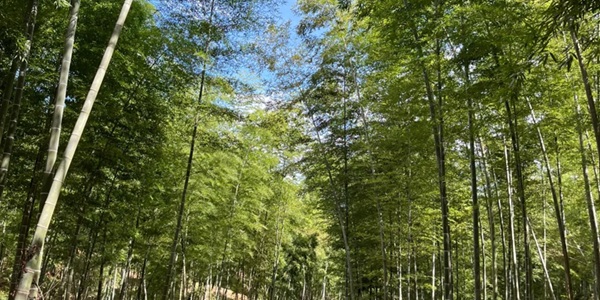
Visit Cai Lun Memorial Hall in the morning to trace the millennium inheritance of papermaking technology; explore Cai Lun Bamboo Sea in the afternoon, discover the raw material producing area of papermaking in the 10,000-mu bamboo sea, and experience the artistic conception of "listening to the waves in the bamboo sea".
- Take high-speed rail or bus from downtown Hengyang to Leiyang urban area
- Cai Lun Memorial Hall is located in downtown, accessible on foot or by taxi
- Cai Lun Bamboo Sea is about 30 km from downtown, with tourist special line or self-driving (50 minutes)
- Sightseeing bus or walking is available for touring in the bamboo sea scenic area
- Cai Lun Memorial Hall: Free (Registration required)
- Cai Lun Bamboo Sea: ¥50
- Scenic Area Sightseeing Bus: ¥30/one way
- Leiyang Rice Noodles
- Huzi Wine
- Jar Pickles
- Guanyinge Steamed Buns
Pay homage to Du Fu's Tomb in the morning to recall the poetic sage's footsteps in his later years; stroll through Leishui National Wetland Park in the afternoon to admire the water town scenery, then visit Peilan Study to experience the red revolutionary history.
- Du Fu's Tomb is about 5 km from downtown, accessible by bus or taxi
- Leishui Wetland Park is distributed along the Leishui River bank in downtown, accessible on foot or by cycling
- Peilan Study is located in the city center, accessible by multiple bus routes
- Attractions are concentrated in downtown and suburban areas with convenient transportation
- Keep quiet and solemn in Du Fu's Tomb area, respect history
- There are many mosquitoes in Leishui Wetland in summer, prepare mosquito repellent
- Photography is prohibited in Peilan Study, comply with visiting regulations
- Leishui water level may rise in rainy season, pay attention to safety warnings
Must-Try Foods in Leiyang
Leiyang Rice Noodles
A characteristic breakfast in Leiyang, made from high-quality rice, served with pork bone soup, beef, mixed sauce and other ingredients. The rice noodles are smooth and chewy, with rich and delicious soup. Especially the "Xinshi Rice Noodles" are the most famous, with rich ingredients, being a classic snack that locals eat every day.
Huzi Wine
A traditional famous wine in Leiyang, made from glutinous rice using ancient brewing methods. It has an orange-yellow color, mellow and sweet taste, and moderate alcohol content, known as "liquid cake". It is a must-have for festivals or entertaining guests, an important representative of Leiyang's food culture with a history of thousands of years.
Jar Pickles
Traditional pickled products of Leiyang farmhouses, made from green vegetables, radishes, cowpeas and other raw materials, pickled and stored in jars for fermentation. With various varieties and unique flavors, it is salty and delicious, can be eaten directly or used as an ingredient for stir-frying. It is a common side dish on Leiyang people's dining tables, reflecting the life wisdom of southern Hunan farmhouses.
Guanyinge Steamed Buns
Characteristic steamed buns around Guanyinge in Leiyang, with flour as the wrapper, filled with fresh meat, red bean paste and other fillings, baked over charcoal fire. The bun wrapper is soft and chewy, with fresh and juicy filling. Named after being produced near Guanyinge, it is a well-known traditional pastry in Leiyang.
- Spring (Mar-May): New bamboos shoot up in Cai Lun Bamboo Sea, full of greenery
- Summer (Jun-Aug): Summer resort in Leishui Wetland, suitable for water activities
- Autumn (Sep-Nov): Dry and pleasant weather, suitable for bamboo sea hiking and historic site visiting
- Winter (Dec-Feb): Fewer tourists, experience farmhouse New Year flavor and Huzi Wine
- Learn ancient papermaking techniques at Cai Lun Memorial Hall
- Climb to the top of Cai Lun Bamboo Sea to view the panoramic view of the 10,000-mu bamboo sea
- Read the poetic sage's masterpieces in front of Du Fu's Tomb
- Take a cruise to admire the scenery on both banks in Leishui Wetland
- Taste Leiyang Rice Noodles with Huzi Wine on the street
- Tickets & Transportation: ¥100-200 (Including scenic spot tickets and transportation fees)
- Catering: ¥80-150/day
- Accommodation: ¥90-200/night (Downtown hotels or bamboo sea homestays)
- Shopping: ¥60-150 (Specialties such as Huzi Wine, Jar Pickles)
- Total: ¥220-550
- Can I experience papermaking in Cai Lun Bamboo Sea? → There is an ancient papermaking experience area in the scenic spot, reservation in advance required
- Which one is the most authentic Leiyang Rice Noodles? → Time-honored rice noodle shops in downtown or street stalls in Xinshi Town
- Is there an entrance fee for Du Fu's Tomb? → ¥20/person, half price for students with valid certificates
- Is transportation convenient from Leiyang downtown to various attractions? → Downtown attractions are accessible by bus, self-driving or tourist special line is recommended for bamboo sea