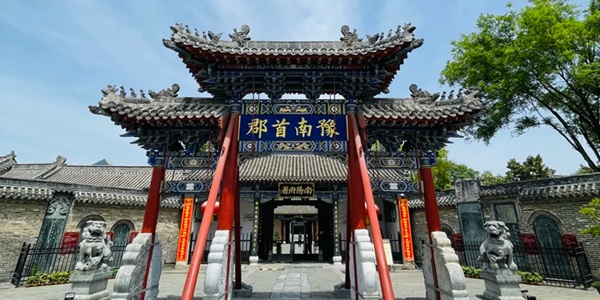
Wancheng District, Nanyang City, Henan Province – an important birthplace of Chu-Han culture and hometown of the Medical Sage. It integrates the historical heritage of Nanyang Prefectural Government Office, the traditional Chinese medicine culture of Medical Sage Shrine, and the ecological landscape of Baihe Wetland. A 2-day & 1-night in-depth tour decodes the essence of Central Plains culture and appreciates the unique charm of the integration of ancient and modern times.
Visit the prefectural government office to experience official culture, explore the Medical Sage Shrine to discover traditional Chinese medicine wisdom, admire the Baihe River for ecological beauty, wander the old street to taste authentic flavors, and experience the charm of ancient Nanyang city
Visit Nanyang Prefectural Government Office in the morning to learn about ancient government office systems and architectural art, explore Medical Sage Shrine in the afternoon to trace the source of traditional Chinese medicine culture, and stroll around the former site of Censorate in the evening to experience historical changes.
Stroll through Baihe Wetland Park in the morning to enjoy water scenery and ecology, visit Zhang Heng Museum in the afternoon to learn about ancient scientific and technological achievements, and wander around Wancheng Old Street in the evening to taste special snacks and buy handicrafts.
A specialty of Wancheng, made from local yellow cattle and braised with unique craftsmanship. The meat is tender and fragrant, which can be served as a cold platter or with steamed buns. It is known as "the first meat in southern Henan".
A traditional breakfast in Wancheng, made by stir-frying flour, sesame, peanuts and other ingredients and then brewing with boiling water. It has a mellow taste and a strong aroma, and tastes better when paired with fried dough sticks, with a history of hundreds of years.
Originated from the vegetarian food of Xuanmiaoguan in the Ming Dynasty, made from bean products and vegetables, imitating the shape and taste of meat dishes. It is light and refreshing, rich in nutrition, reflecting the essence of Taoist dietary culture.
A local traditional pasta made from flour and sesame, baked with charcoal fire. It is crispy on the outside and soft on the inside, which can be eaten directly or with meat, and is one of the favorite staple foods of Wancheng people.