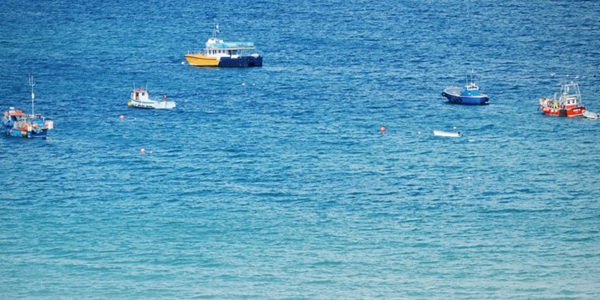
Tenby Harbour — a naturally sheltered inner harbour cradled by Carmarthen Bay, one of Wales' most photogenic fishing ports. The Vikings first settled here in the 9th century; after the Norman conquest it grew into a busy trading port connecting Ireland, France, Spain and Portugal. In 1566 the Portuguese merchant ship "La Nossa Signora" unloaded Wales' first oranges on this quay. In 1471 the young Henry Tudor fled from this harbour in disguise, eventually staging a comeback to be crowned Henry VII. In the early 19th century, Scottish millionaire Sir William Paxton built saltwater baths and an arcade promenade, propelling this medieval "little fortress of the fish" into the golden age of Victorian holidays. Today, colourful fishing boats bob at the foot of Georgian arches, ferries sound their horns bound for Caldey Island Abbey, and the harbour remains Tenby's beating heart.
From the colourful fishing boats of the medieval trading port to the Victorian splendour of Paxton's Saltwater Baths, from the seal safari ferry to Caldey Island to paddling on Harbour Beach — cross a thousand years of Tenby's maritime memory in half a day
Start your morning at the harbour quay, watching colourful fishing boats sway in the golden morning light. Piles of crab pots and nets landed overnight crowd the quayside as seagulls circle and squabble. Stroll along the arcade promenade built by Sir William Paxton in 1810 — six Georgian stone arches that once served as fishing boat warehouses are now converted into cafés and seafood shops. Grab a hand-brewed coffee at The Stowaway, sitting inside a hundred-year-old arch with a full harbour view. In the late morning, board the Caldey Island ferry from the blue ticket booth at Castle Square — a 20-minute voyage past St Catherine's Island's Victorian fort and the seal colonies of Paul Jones Bay. Return to the harbour at lunchtime, pick up a freshly made crab sandwich from Simply Seafood, and enjoy it on a harbour bench facing Carmarthen Bay. In the late afternoon, walk along the breakwater to the RNLI Lifeboat Station, listening to volunteers tell stories of maritime rescues stretching back to 1854, and watch the sunset paint the colourful houses amber.
A wooden shack at the top of Quay Hill, supplied directly by local fishermen. Their signature crab sandwich uses spider crabs landed that morning, hand-picked and served with gherkins and wholemeal bread — a £6.50 box that turns a harbour bench into a "Michelin-starred" picnic spot. Also sells oysters, mussels and cured fish to take home. Summer daily 10:00-17:00.
A boutique coffee shop tucked inside a Grade II listed stone arch in the harbour wall, converted from a fishing boat store, retaining the original stone vaulted ceiling and timber beams. The signature Welsh Rarebit baguette and giant custard slice are locals' secret must-orders, with artisan sausage rolls crispy outside and generously filled. Only 6 seats tucked inside the arch — expect queues in summer. Average £5-10 per person.
A craft brewery taproom just metres from the harbour, with each beer named after classic ships that once docked at Tenby. The signature "La Nossa Signora" chocolate orange stout commemorates the 1566 arrival of Wales' first oranges — a winter-limited £5.50 pint that warms you by the harbour. The Tap Room overlooks the quay directly, with live music on summer evenings. Average £8-15 per person.
A formal seafood restaurant directly opposite the harbour, with a menu changing daily according to the catch. Signature Pembrokeshire oysters with Welsh white wine and slow-roasted sea bass with lemon butter sauce are classic combinations. Floor-to-ceiling windows frame the full harbour panorama, with golden sunlight flooding the tables at sunset. Window seat reservations recommended in summer. Average £20-35 per person.