Cotswolds Travel

The Cotswolds — an Area of Outstanding Natural Beauty (AONB) spanning nearly 800 square miles in the heart of England, stretching across five counties including Gloucestershire and Oxfordshire, and known as "England's pastoral dream." Everything here is built from the distinctive honey-coloured limestone (Cotswold Stone) — from 14th-century wool merchants' mansions to 17th-century weavers' terraced houses, from medieval churches to low-walled farmsteads — the uniform warm golden tone makes the entire region look like a watercolour painting bathed in sunlight. William Morris called Bibury "the most beautiful village in England"; Bourton-on-the-Water, with its five low stone bridges spanning the River Windrush, is known as the "Venice of the Cotswolds"; Castle Combe has not had a single new building since 1600. Walking along the 102-mile Cotswold Way, or driving through rolling hills and wildflower meadows, you'll understand why this is called "the soul of the English countryside."

800
Square Miles Area
5000+
Miles of Stone Walls
1600
Years Unchanged Village
102
Mile Hiking Trail
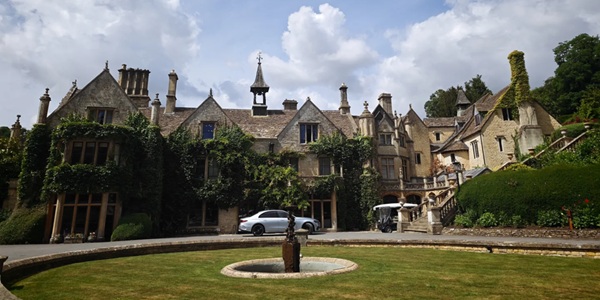
Cotswolds honey-coloured stone village with winding river
Cotswolds
Fairytale villages built from honey-coloured limestone, low stone bridges spanning crystal-clear streams, rolling hills covered in wildflowers and a pastoral idyll unchanged for a thousand years — the soul of the English countryside

Cotswolds One-Day In-Depth Tour

From the stone bridges and flowing waters of Bourton-on-the-Water to the fairytale terraced houses of Bibury, step into England's pastoral dream woven from honey-coloured stone

Duration
1 day (recommended to extend to 2-3 day in-depth tour)
Main Destinations
Bourton-on-the-Water, Bibury, Castle Combe, Upper/Lower Slaughter
Suitable For
Photography enthusiasts, couples on honeymoon, families, pastoral idyll lovers, hiking travellers
Budget Per Person
£60-£120 (including transport + dining + guided tour)
01
Honey-Coloured Pastoral Dream Tour
Bourton-on-the-Water · Bibury · Castle Combe · Upper/Lower Slaughter · Broadway Tower
Highlights

Depart from Oxford in the morning by guided minibus tour or self-drive, arriving first at the "Venice of the Cotswolds" — Bourton-on-the-Water. The River Windrush flows through the village, crossed by five low stone arch bridges in succession, with weeping willows and swans along the banks creating a postcard-perfect scene. Visit the 1:9 scale Model Village, the Cotswold Motoring Museum, or enjoy a morning coffee at a riverside tea room. Then head to Bibury — described by William Morris as "the most beautiful village in England." Arlington Row was built in 1380, originally a monastery wool storehouse, converted into weavers' homes in the 17th century — its honey-coloured stone walls and steep sloping roofs form the most classic postcard image of the English countryside. Stroll along the River Coln to the trout farm and enjoy a riverside picnic. In the afternoon, explore Upper and Lower Slaughter — two hidden villages whose name comes from the Old English "Slohtre" (wetland), with stone cottage porches draped in climbing vines and mill wheels turning endlessly; walking between the two villages takes just 25 minutes. The final stop is Castle Combe, often called "England's prettiest village," with its 14th-century market cross, the ancient stone bridge over the River Bybrook, and film locations for War Horse and Stardust — no new buildings have been erected here since 1600. On the way back to Oxford in the evening, climb Broadway Tower for panoramic views across six counties.

Attractions
Bourton-on-the-Water
The most popular village in the Cotswolds, with the River Windrush meandering through the village centre. Five low stone arch bridges (just high enough for one person to stoop through) span the river, with weeping willows and swans gliding along the banks, earning it the title "Venice of the Cotswolds." Must-see attractions include the Model Village — a 1:9 scale replica of the village itself, built in 1937 and still one of Britain's oldest miniature villages; and the Cotswold Motoring Museum, housing vintage cars and motorcycles from pre-war to the 1960s. Several tea rooms line the riverbank, and in summer you can wade barefoot in the water — a local tradition passed down for generations.
Bibury & Arlington Row
The soul of the Cotswolds. Arlington Row was built in 1380, originally a wool storehouse for the monastery, converted into weavers' cottages in the 17th century — now one of Britain's most famous architectural sights. The honey-coloured stone walls are 60 cm thick, with steep slate roofs and delicate windows showcasing medieval craftsmanship. The cottages remain private residences and can only be viewed from outside. A 15-minute walk along the River Coln leads to Bibury Trout Farm (established 1902), Britain's oldest trout farm, where you can fish, feed the fish and enjoy freshly grilled trout at the riverside restaurant. Arrive before 9 a.m. to avoid the tourist coaches.
Castle Combe
Located at the southernmost tip of the Cotswolds, often called "England's prettiest village." No new buildings have been constructed since 1600, with every stone cottage preserving its medieval appearance. The 14th-century Market Cross stands in the village centre, and the ancient stone bridge over the River Bybrook is a classic photo spot. St Andrew's Church preserves a 15th-century bell and an ancient sundial face. The village is completely traffic-free, adding to its frozen-in-time atmosphere. Films including War Horse, Stardust and The Wolfman were shot here. Honesty stalls at the village entrance sell homemade cakes and flowers on a self-service payment basis — a quintessential example of English country trust culture.
Upper & Lower Slaughter
The most peaceful and hidden sister villages in the Cotswolds. "Slaughter" derives from the Old English "Slohtre" (marshy ground), having nothing to do with killing. Lower Slaughter is divided by the River Eye, with the perfectly preserved 15th-century Old Mill still turning its water wheel, now housing a small museum and tea room. St Mary's Church cemetery contains a 15th-century cross monument. From Upper Slaughter, a 25-minute walk along a field path leads to Lower Slaughter, passing pastures, stone bridges and ivy-covered farmhouses — one of the most romantic walking routes in the Cotswolds. Neither village has any commercial atmosphere, maintaining a true rural pace of life.
Practical Information
Transportation
  • Self-drive from Oxford via A40/A429 approx. 45-60 min
  • Join Go Cotswolds guided minibus tour (from £70/person)
  • Train to Moreton-in-Marsh then local bus
  • Village roads are narrow, small vehicles recommended
  • Parking available in each village, £2-4/day
Ticketing
  • All village public areas: Free
  • Bourton Model Village: £5.50/adult
  • Bibury Trout Farm: £8/adult
  • Broadway Tower: £6/adult
  • Guided minibus day tour: £70-£130/person
Travel Tips
  • Arrive at villages by 8-9 a.m. to avoid tourist coaches
  • Village shops close 17:00-18:00, start early
  • Wear comfortable walking shoes; field paths may be muddy
  • Bring a sun hat in summer; shade is limited
  • Drive on the left in the UK; drive cautiously on country roads

Must-Try Eats Around the Cotswolds

The Rose Tree Bourton-on-the-Water Riverside Tea Room

A century-old tea room on the banks of the River Windrush in the heart of Bourton-on-the-Water. Signature three-tier afternoon tea with homemade scones and local strawberry jam, £15-£22 per person. The riverside terrace seats are the most romantic lunch choice in summer.

The Old Mill Lower Slaughter Mill Tea Room

A tea room and restaurant converted from a 15th-century water mill, with the sound of the turning water wheel accompanying your meal. Recommended Cotswold Double Cream Tea and homemade apple pie, £12-£20 per person.

The Wild Rabbit Stow-on-the-Wold

A fine dining restaurant in Stow-on-the-Wold, specialising in local Cotswolds ingredients — Chipping Campden lamb, local hare, and homemade sourdough bread. Michelin-recommended, £30-£50 per person.

Lucy's Tea Room Bibury

A warm and cosy traditional tea room in Bibury village, with the aroma of freshly baked scones wafting through honey-coloured stone walls. Recommended Victoria sponge cake and Earl Grey tea, £8-£15 per person — a paradise for dessert lovers.

Cotswolds Travel Tips
Best Time to Visit
  • May-June: wildflowers in bloom, greenest grass
  • July-August: best weather but most crowded
  • September-October: golden autumn colours, perfect for photography
  • Avoid winter (November-February); some shops closed
Must-Try Foods
  • Three-tier English afternoon tea
  • Cotswold double cream scones
  • Local Chipping Campden lamb
  • Bibury fresh grilled trout
  • Local craft cider
Budget Reference
  • Guided minibus tour: £70-130/person
  • Self-drive fuel + parking: £15-25/day
  • Dining: £15-30/day
  • Souvenirs: £5-30
  • Total: £60-120 (one-day trip)
Frequently Asked Questions
  • Do I need to rent a car? → Self-driving is most flexible; guided tours also available
  • Is public transport convenient? → Buses between villages are infrequent; plan carefully
  • Which villages are must-sees? → Bourton-on-the-Water + Bibury + Castle Combe
  • Can I stay overnight? → Highly recommended; B&Bs offer authentic country life
  • Why is it called "Cotswolds"? → "wold" means hill, i.e. "Cod's hills"

Explore More Areas of Oxford