Birmingham Museum & Art Gallery (BMAG) Travel Guide

Birmingham Museum & Art Gallery (BMAG) — a magnificent Victorian building opened in 1885, housing the world's largest and most complete collection of Pre-Raphaelite paintings, with masterpieces by Burne-Jones, Rossetti and Millais that dazzle the eyes. The 2009 Staffordshire Saxon Gold Hoard — the largest-ever discovery of Anglo-Saxon gold and garnet weapon fittings, unearthed in fields north of Birmingham — shook the world. From Industrial Revolution gears to civil rights movements, "The Birmingham Story" gallery distils the soul of this city. A one-day in-depth tour covers the permanent collection, special exhibitions and a stroll along the nearby canals.

1885
Year Officially Opened
200+
Pre-Raphaelite Works
3500+
Saxon Gold Hoard Items
£0
Permanent Exhibition Entry
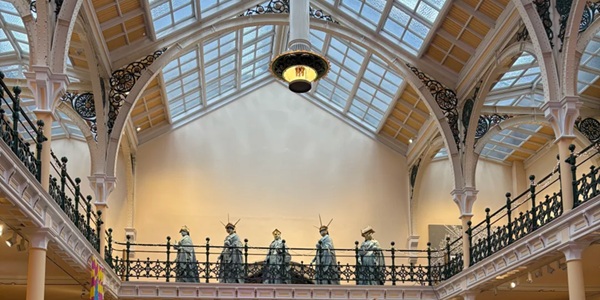
Birmingham Museum & Art Gallery Pre-Raphaelite Gallery and Victorian interior
Birmingham Museum & Art Gallery (BMAG)
The world's largest Pre-Raphaelite painting collection is breathtaking — Burne-Jones' "The King and the Beggar-maid" and Rossetti's "Proserpine" shine beneath the vaulted ceilings of the Victorian gallery; the Staffordshire Saxon Gold Hoard tells the story of Anglo-Saxon splendour

Birmingham Museum & Art Gallery (BMAG) One-Day In-Depth Tour

From the dreamlike colours of the Pre-Raphaelites to the thousand-year radiance of Saxon gold, step inside the magnificent Victorian halls and feel the soul of Birmingham from the Industrial Revolution to contemporary art

Duration
1 day (extendable to a 2-3 day Birmingham trip)
Main Destinations
Pre-Raphaelite Galleries, Staffordshire Hoard Gallery, The Birmingham Story, Contemporary Art Galleries, Museum Shop
Suitable For
Art lovers, history buffs, families, literary travellers, photography enthusiasts
Per Person Budget
£0-£30 (permanent exhibition free, special exhibitions £5-£12)
01
Art & History Journey
Pre-Raphaelite Galleries · Staffordshire Saxon Gold Hoard · The Birmingham Story · Contemporary Art Galleries · Museum Café
Highlights

In the morning, walk 5 minutes from Birmingham New Street station to BMAG beside Victoria Square. This magnificent building opened in 1885 is itself a work of art — mosaic floors, painted ceilings and marble staircases exude Victorian confidence and grandeur. Head straight to the second-floor Pre-Raphaelite Galleries, home to the world's largest collection of Pre-Raphaelite paintings: Burne-Jones (a Birmingham native)'s "The King and the Beggar-maid" and "The Sleep of Merlin," Rossetti's "Proserpine," Millais' study for "Ophelia" — dreamlike colours and exquisite details take your breath away. Then proceed to the third-floor Staffordshire Hoard Gallery, where over 3,500 Anglo-Saxon gold and garnet weapon fittings discovered in a field in 2009 gleam like a journey back to the 7th-century Kingdom of Mercia. In the afternoon, explore "The Birmingham Story" exhibition, tracing the city's soul from Industrial Revolution gears to civil rights movements. Finish with lunch at the museum café and browse the design-focused gift shop.

Attractions
Pre-Raphaelite Galleries
The world's largest and most complete Pre-Raphaelite painting collection, comprising over 200 works. The core highlight is the work of Birmingham-born artist Edward Burne-Jones — "The King and the Beggar-maid" depicts a love story in dreamlike colours, while "The Sleep of Merlin" captures a mysterious moment from Arthurian legend. Dante Gabriel Rossetti's "Proserpine," with its intense reds and golds depicting the goddess imprisoned in the underworld, is a late-career masterpiece. Also displayed are William Holman Hunt's study for "The Light of the World" and John Everett Millais' preparatory sketch for "Ophelia." The gallery itself is decorated in Victorian style, with painted ceilings and oak panelling creating a solemn and majestic viewing atmosphere.
Staffordshire Saxon Gold Hoard (Staffordshire Hoard)
In July 2009, an amateur metal detectorist discovered the largest-ever hoard of Anglo-Saxon gold in a field north of Birmingham in Staffordshire — a total of 3,500 items weighing 5.1 kg of gold and 1.3 kg of silver, dating from the 7th-8th century Kingdom of Mercia. The finds consist mainly of weapon fittings: gold sword pommels inset with vivid red garnets using the cloisonné technique, embedding gems into gold cells with incredible precision. The most stunning piece is a fragment of a gold helmet, echoing similar finds in Uppland, Sweden, confirming the cross-North Sea cultural networks of Anglo-Saxon elites. Touchscreen displays allow visitors to zoom in on every detail, and a short film recounts the discovery story.
The Birmingham Story
This permanent exhibition uses objects, films and interactive installations to condense the city's history from Roman times to the present. The core section focuses on the Industrial Revolution — steam engine models, blacksmith tools, miniature jewellery workshop scenes recreate the glory of the "City of a Thousand Trades." Belle Brell's textile machine workbench from 1869, commemorative silverware from the 1889 Town Hall opening, historical archives of the 1919 "Birmingham Race Riots," and the original menu from the birth of Balti curry in the 1970s — each object is a living memory. The "Sound Wall" plays archival city sounds from factory whistles to canal boatmen's calls, creating an immersive experience.
Contemporary Art Galleries & Special Exhibition Space
The first-floor contemporary art galleries host regularly changing special exhibitions, covering themes from Turner watercolours to contemporary photography, from Ghanaian-British artists to Birmingham-based creators. The major 2024-2025 exhibition is "Burne-Jones: Painter, Poet, Dreamer" — a large retrospective bringing together over 80 works from museums worldwide, including rarely loaned private collections. Special exhibition tickets are typically £8-£12, free for members and under-18s. The museum also has a design-focused gift shop selling Burne-Jones licensed prints, jewellery reproductions and art books — the perfect place to take home a piece of "Birmingham aesthetics."
Practical Information
Getting There
  • Train from London Euston to Birmingham New Street: approx 1hr 20min
  • 5-min walk from New Street station to BMAG
  • BMAG is on Chamberlain Square, adjacent to Victoria Square
Tickets
  • Permanent exhibitions (Pre-Raphaelite + Hoard + Story): free
  • Special exhibitions: approx £8-£12
  • Under-18s + Members: free for special exhibitions
  • Audio guide: free to borrow (£10 deposit)
  • Guided tour: free highlights tour every Saturday 11:00 (first come, first served)
Travel Tips
  • Open Wednesday to Sunday, closed Monday and Tuesday
  • Free entry but advance booking recommended via official website
  • Non-flash photography permitted; tripods require permission
  • Museum café serves light meals and afternoon tea, £8-15 per person

Must-Try Foods Near BMAG

BMAG Museum Café

A bright café on the museum's ground floor, with arched windows overlooking Chamberlain Square. Serves scones, cucumber sandwiches, Earl Grey tea and daily hot dishes, £8-15 per person — the perfect rest stop during your visit.

Tap & Spile (Historic Canal-side Pub)

A 10-minute walk from BMAG, this Victorian pub sits beside the canal. Signature fish and chips with a pint of bitter ale is the most authentic way to experience Birmingham's flavours, £12-18 per person.

Opheem (Jewellery Quarter)

Helmed by chef Aktar Islam, Birmingham's first Michelin-starred Indian restaurant. Slow-braised lamb shoulder with smoked aubergine purée and gold-leaf curry sauces are stunning. Eight-course tasting menu approx £95, book weeks in advance.

Peach Garden (Chinatown)

A family-run Cantonese restaurant in the heart of Birmingham's Chinatown. Roast duck rice glistens invitingly, beef chow fun bursts with wok hei. £15-22 per person, a 15-minute walk from BMAG.

Birmingham Museum & Art Gallery (BMAG) Travel Tips
Best Time to Visit
  • Open year-round (Wednesday to Sunday), avoid school holiday peaks
  • Free guided tour Saturday morning — queue early at the entrance
  • Special exhibitions change frequently; check BMAG website before visiting
Must-Try Foods
  • BMAG Museum Café afternoon tea
  • Tap & Spile fish and chips + bitter ale by the canal
  • Balti Triangle steel pan curry
  • Chinatown Cantonese dim sum and roast meats
  • Digbeth street food market
Budget Reference
  • Permanent exhibition entry: free
  • Special exhibition tickets: £8-£12
  • Accommodation: £50-180/night (Birmingham city centre)
  • Dining: £15-40/day
  • Total: £0-30 (BMAG only) / £50-100 (including city)
FAQs
  • Is it really free? → Permanent exhibitions are completely free, no ticket needed
  • Do I need to book? → Advance booking recommended; walk-ins may need to queue
  • Can I take photos? → Non-flash photography permitted; tripods prohibited
  • How does it relate to the Library of Birmingham? → They are adjacent but independently operated

Explore More of Birmingham