Kennet & Avon Canal Travel

The Kennet & Avon Canal — an Industrial Revolution hydraulic engineering marvel begun in 1794, stretching 87 miles, one of Britain's best-preserved canal waterways. Starting from Bath Top Lock beside Bath railway station, 6 locks raise boats 65 feet in just 500 metres, narrowboats gliding slowly beneath Georgian stone bridges and wrought iron railings, with wildflowers swaying on both banks and kingfishers skimming the water. The canal passes through the ancient tunnel of Sydney Gardens, crosses the River Avon on the Dundas Aqueduct, and eventually reaches the tranquil village of Bathampton. This is Bath locals' favourite "secret walking route" — a half-day stroll takes in the symphony of 200 years of canal civilisation and natural countryside.

1794
Year Canal Construction Began
87mi
Total Canal Length
6
Number of Bath Locks
200+
Years of Hydraulic History
Kennet & Avon Canal Bath section and Dundas Aqueduct
Kennet & Avon Canal (Bath)
The golden Bath stone Dundas Aqueduct spans the River Avon and railway line, narrowboats gliding peacefully across the 137-metre neo-Roman Doric colonnaded arched bridge — 200 years of canal civilisation flowing quietly through pastoral idyll

Kennet & Avon Canal Half-Day In-Depth Tour

From the hydraulic wonder of Bath Locks to the Georgian stonework of Dundas Aqueduct, walk along the century-old canal towpath and experience the poetic collision of Industrial Revolution heritage and English countryside

Duration
Half day (extendable to full day or multi-day canal hike)
Main Destinations
Bath Locks, Sydney Gardens Tunnel, Dundas Aqueduct, Bathampton Village, Claverton Pumping Station
Suitable For
Walking enthusiasts, cyclists, history buffs, families, nature photographers, canal culture fans
Budget per Person
£0-£30 (canal towpath free, including dining costs)
01
Century-Old Waterway & Pastoral Idyll
Bath Locks · Sydney Gardens Tunnel · Dundas Aqueduct · Bathampton Village · Claverton Pumping Station
Highlights

Starting from Pulteney Bridge beside Bath railway station in the morning, walk 5 minutes east along the south bank of the River Avon to reach Bath Top Lock — the highest point of the Kennet & Avon Canal in Bath, where 6 locks raise boats 65 feet in just 500 metres, one lock being 12 feet deep, the second deepest lock in England. Head south along the flat towpath, passing the old coal warehouse buildings of Sydney Wharf, entering the Sydney Gardens section — here the canal passes through two wrought iron pedestrian bridges and two tunnels, the exquisite "Chinese Chippendale" style wrought iron railings being the masterpiece of engineer John Rennie. Continue about 3 miles to reach the magnificent Dundas Aqueduct, a 137-metre three-tier arched bridge built of golden Bath stone, spanning the River Avon and the Great Western Railway line. Take a break at the Brass Knocker Basin café, then stroll to the tranquil village of Bathampton, enjoy an English lunch at The George Inn, watching narrowboats glide slowly past the door — completing a canal journey through 200 years of time.

Attractions
Bath Locks & Sydney Wharf
Bath Locks is the most spectacular urban section of the Kennet & Avon Canal — 6 consecutive locks raising boats 65 feet (about 20 metres) in just 500 metres, with Top Lock being 12 feet deep, the second deepest lock in England. Information boards and audio guide posts beside the lock gates tell the canal's 100-year story from its opening in 1804, through abandonment in 1951, to restoration in 1990. The neighbouring Sydney Wharf, built in 1804, was once the core hub for coal transport in Bath; the old coal warehouse buildings remain well preserved, now converted into boutique apartments and the Canal & River Trust office.
Sydney Gardens Canal Tunnels
Sydney Gardens is one of Britain's only surviving 18th-century public pleasure gardens, where the canal passes through two exquisite tunnels and two wrought iron pedestrian bridges. The tunnel entrances are decorated with "rusticated stone" ornamentation, adorned with mask reliefs of the Thames god and the Severn goddess Sabrina, meticulously designed by engineer John Rennie. The gardens also feature "Chinese Chippendale" pierced wrought iron railings and lamp posts — decorative artworks unique among British canal architecture. With lush lawns and towering ancient trees, the gardens are Bath citizens' favourite weekend retreat.
Dundas Aqueduct & Somerset Coal Canal
Dundas Aqueduct is the most magnificent engineering masterpiece of the Kennet & Avon Canal — designed and built by John Rennie between 1801-1805, 137 metres long, built of golden Bath stone in a three-tier arched bridge, with a main span of 19.5 metres, flanked by parabolic smaller arches. The bridge is adorned with ancient Greek Doric pilasters and stone balustrades at both ends, becoming the first canal structure in Britain to be designated a Scheduled Ancient Monument in 1951. The aqueduct spans the River Avon and the Great Western Railway line; walking across it you can simultaneously view the river, railway and fields. To the west, the partially restored Somerset Coal Canal connects, now featuring the Brass Knocker Basin café and bicycle hire point.
Bathampton Village & Canal Wharf
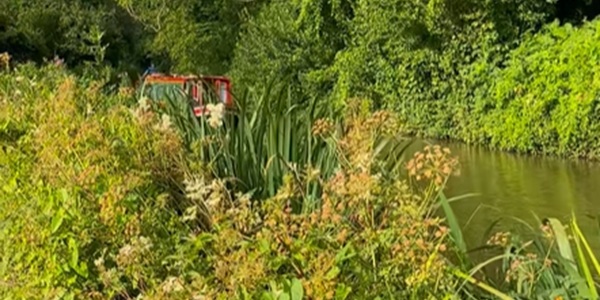
Bathampton is the most charming stopping point on the canal walking route — this tranquil little village is built along the canal, the spire of its 14th-century parish church reflected in the emerald-green water. The canal here features a wharf and mooring area, with narrowboats neatly lined up, owners trimming flower baskets and brewing afternoon tea on deck. The George Inn has been a resting place for canal boatmen since the 18th century, and remains the preferred restaurant for walkers and cyclists. From Bathampton you can continue along the canal to Claverton Pumping Station — a steam pumping station built in 1812, still maintained and operated by volunteers, a living fossil of the Industrial Revolution.
Practical Information
Getting There
  • Train from London Paddington to Bath: approx 1.5 hours
  • 5-minute walk from Bath railway station to Bath Top Lock
  • Canal towpath is flat throughout, suitable for wheelchairs and pushchairs
  • Bus from Bathampton back to Bath city centre
Tickets & Prices
  • Canal towpath: completely free
  • Audio guide: free download Canal & River Trust App
  • Bicycle hire: approx £15-20/day
  • Canal boat ride: approx £10-15/person
  • Claverton Pumping Station visit: £5 (open days)
Travel Tips
  • Towpath shared with cyclists — watch out for riders
  • Wear comfortable walking shoes, some sections have gravel
  • Bring sunscreen and plenty of water in summer
  • Dusk offers the most beautiful light for photography
  • Watch narrowboats going through the locks at the lock gates

Must-Try Foods Near the Kennet & Avon Canal

Brass Knocker Basin Café

Located at the Somerset Coal Canal heritage site beside Dundas Aqueduct, the most popular rest stop on the canal walking route. Signature items are homemade cakes and freshly brewed coffee; in summer, sit on the riverside terrace and watch narrowboats glide from the aqueduct into the coal canal branch. Also a bicycle hire point, where you can rent a bike to continue exploring the canal. Average spend: £8-£15.

The George Inn

A historic inn in the centre of Bathampton village, a resting place for canal boatmen since the 18th century, already famous in Jane Austen's time. Low timber beams, open fireplace and real-fire roasting create an authentic English pub atmosphere, with signature Sunday Roast and local Bath craft beer. The garden terrace borders the canal, perfect for watching narrowboats glide past on summer afternoons. Average spend: £15-£30.

Timbrell's Yard Riverside Restaurant

A riverside boutique hotel restaurant in Bradford-on-Avon, about a 10-minute walk from the canal. Converted from an 18th-century woollen mill, retaining the original stone walls and timber beam structure, the menu focuses on local ingredients and modern British cuisine. Recommended: roast lamb with Yorkshire pudding, and desserts made with Wiltshire honey. The riverside terrace overlooks the junction of the River Avon and the canal. Average spend: £25-£45.

The Cross Guns at Avoncliff

A stone-built inn dating from the 16th century, situated at the foot of Avoncliff Aqueduct, about a 45-minute walk from Dundas Aqueduct along the canal. The huge garden terrace faces the aqueduct and the Avon valley gorge, offering the best dining location along the canal. Signature dishes include locally sourced burgers and applewood-smoked spare ribs; nothing beats a hot mulled cider by the fireside in winter. Average spend: £12-£25.

Kennet & Avon Canal Travel Tips
Best Time to Visit
  • Spring-Summer (May-Aug): Wildflowers in bloom along the towpath, lush greenery
  • Autumn (Sep-Oct): Golden tree canopies reflected in the canal, superb for photography
  • Dusk/sunset: "Golden canal" dreamlike as a movie scene
  • Winter walkable but some sections muddy, wear slip-resistant shoes
Must-Try Foods
  • Brass Knocker Basin homemade scones with clotted cream
  • The George Inn classic Sunday Roast
  • Local craft Bath Ales and Wilkins Cider
  • Timbrell's Yard Wiltshire honey desserts
  • The Cross Guns applewood-smoked spare ribs
Budget Reference
  • Canal towpath: £0 (completely free)
  • Bicycle hire: £15-20/day
  • Dining: £15-30/day
  • Canal boat experience: £10-15/person
  • Total: £0-50 (half-day walking tour)
Frequently Asked Questions
  • Do I need a ticket? → Completely free, open 24 hours
  • Can I cycle? → Yes, towpath shared with cyclists
  • Is there a Chinese audio guide? → Download the Canal & River Trust official app
  • Can I take a boat trip? → Hire a narrowboat at Sydney Wharf
  • Suitable for wheelchairs? → Towpath is flat, but lock areas have steps

Explore More of Bath