Hongtong County Travel

Hongtong County, Linfen, Shanxi—the "Hometown of Chinese People" and a "Holy Land of Ancestral Roots." Integrating the Giant Scholar Tree, Guangsheng Temple, Su San Prison, and Nuwa Mausoleum, it blends ancestral root culture with Buddhist art. A 3-day 2-night deep dive decodes the essence of immigrant history and reveals the unique charm echoed in the verse: "Ask where my ancestors came from? Hongtong's Giant Scholar Tree in Shanxi."

600+
Years of Scholar Tree Immigration History
1900+
Years of Guangsheng Temple History
12+
Core Attractions
18+
Local Delicacies

Explore Districts & Counties of Linfen

Giant Scholar Tree Ancestral Worship Garden, Hongtong County
Hongtong Giant Scholar Tree - Global Holy Land for Chinese Root-Seeking
A National 5A Scenic Spot and the largest folk ancestral worship site in China. It served as the assembly point for massive migrations during the Ming Dynasty (Hongwu to Yongle eras) and is regarded as the spiritual hometown for Chinese descendants worldwide. It enjoys the reputation of being the "First Stop for Ancestral Root-Seeking."

Hongtong County 3-Day 2-Night Ancestral Root-Seeking Cultural Tour

Worship at the Giant Scholar Tree to seek immigrant roots, visit Guangsheng Temple to admire glazed wonders, explore Su San Prison to feel historical vicissitudes, and taste Hongtong delicacies to recall hometown flavors.

Duration
3 Days 2 Nights
Main Destinations
Giant Scholar Tree, Guangsheng Temple, Su San Prison, Nuwa Mausoleum, Hongtong Ancient City, Fenhe Ecological Park
Ideal For
Root-seekers, History Buffs, Buddhist Art Researchers, Foodies
Budget Per Person
¥650–¥1,100
01
Root-Seeking & Ancestral Worship
Giant Scholar Tree · Immigration Museum · Root Ancestor Culture Square · Hometown Food Street
Daily Highlights

Morning: Deep dive into the Giant Scholar Tree Ancestral Worship Garden to understand Ming Dynasty immigration history. Visit the Immigration Museum. Afternoon: Stroll through Root Ancestor Culture Square. Evening: Sample Hongtong specialties at Hometown Food Street.

Attractions
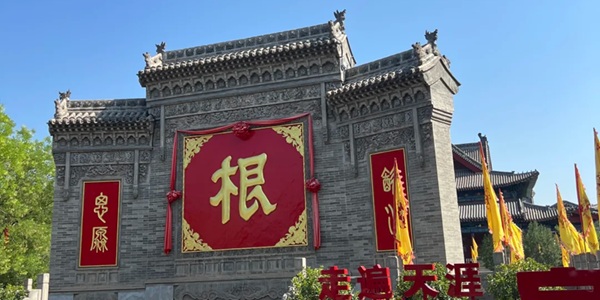
Giant Scholar Tree Ancestral Worship Garden
A National 5A Scenic Spot and the largest folk ancestral worship site in China. It served as the assembly point for massive migrations during the Ming Dynasty (Hongwu to Yongle eras) and is the spiritual hometown for Chinese descendants worldwide. With ancient tree relics, ancestral halls, and immigrant sculpture groups, it enjoys the reputation of being the "First Stop for Ancestral Root-Seeking."
Immigration Museum
A thematic museum comprehensively showcasing the history of the Giant Scholar Tree migrations during the Ming Dynasty. Through artifacts, historical documents, and scene restorations, it vividly recreates the magnificent migration history.
Root Ancestor Culture Square
A city square themed on root ancestor culture, featuring immigrant group sculptures and cultural walls. It serves as a vital venue for understanding Hongtong's immigration history and conducting ancestral worship activities.
Practical Info
Accommodation
  • Hotels near Giant Scholar Tree
  • Boutique homestays in Hongtong Ancient City
  • Zen meditation lodges near Guangsheng Temple
Food Recommendations
  • Hongtong Saohu Noodles
  • Yangzagge (Mutton Offal Soup)
  • Fried Glutinous Rice Cake
  • Laozao (Fermented Rice Drink)
Travel Tips
  • Understand the ceremony流程 before participating in worship.
  • Participate in the interactive "Root-Seeking" experience.
  • Hometown Food Street offers rich traditional snacks; try the Saohu Noodles.
02
Exploring Ancient Temples
Guangsheng Temple · Su San Prison · Nuwa Mausoleum · Hongtong Confucian Temple
Daily Highlights

Morning: Tour Guangsheng Temple to admire the Feihong Pagoda's Buddhist art. Visit Su San Prison to learn about Ming judicial systems. Afternoon: Pay respects at Nuwa Mausoleum to experience primordial culture. Visit Hongtong Confucian Temple to understand Confucian heritage.

Attractions
Guangsheng Temple
A Major Historical and Cultural Site Protected at the National Level, initially built in the Eastern Han Dynasty. The Feihong Pagoda inside is China's most intact and exquisite glazed pagoda, hailed as the "No.1 Glazed Pagoda in China." The temple houses the precious Buddhist canon "Jin Collection of Zhaocheng," possessing immense historical and cultural value.
Su San Prison
The only surviving prison of Ming Dynasty design in China, famous due to the Peking Opera "Yu Tangchun." Well-preserved, it showcases the authentic appearance of Ming prison architecture and judicial systems, serving as vital material for studying ancient judicial culture.
Nuwa Mausoleum
The legendary mausoleum of Nuwa, the primordial ancestor of humanity. It has been a key site for sacrificial rites through dynasties. With a grand scale and towering ancient cypresses, it is a significant site for understanding primordial mythology and sacrificial culture.
Practical Info
Transportation
  • ~15 km from county to Guangsheng Temple
  • Tourist shuttles available to major sites
  • Self-driving or chartered cars recommended
Tickets
  • Giant Scholar Tree: ¥80
  • Guangsheng Temple: ¥55
  • Su San Prison: ¥30
  • Nuwa Mausoleum: ¥25
Travel Tips
  • Climb Feihong Pagoda for panoramic views (subject to crowd control).
  • Learn about Ming judicial stories at Su San Prison.
  • Maintain solemnity during worship at Nuwa Mausoleum.
03
Ancient City Stroll
Hongtong Ancient City · Fenhe Ecological Park · Specialty Market · Return Trip
Daily Highlights

Morning: Stroll through Hongtong Ancient City to feel its historical depth. Tour Fenhe Ecological Park for natural scenery. Afternoon: Shop for local specialties at the market before concluding your journey.

Attractions
Hongtong Ancient City
A historic cultural city retaining Ming-Qing street layouts and traditional dwellings. Ancient city walls, old alleys, and time-honored shops are well-preserved, serving as vital carriers of Hongtong's history and culture.
Fenhe Ecological Park
An ecological belt along the Fenhe River. Featuring lush vegetation, winding trails, and beautiful wetland landscapes, it is an ideal spot for leisurely walks and birdwatching.
Hongtong Confucian Temple
A relatively well-preserved Confucian temple in Hongtong County, initially built in the Yuan Dynasty. It served as an important site for worshipping Confucius and conducting Confucian education, reflecting the county's profound cultural heritage.
Practical Info
Experience Programs
  • Ancestral Worship Ceremony Experience
  • Traditional Saohu Noodle Making
  • Glazed Art Appreciation
  • Ming Judicial Culture Experience
Souvenirs
  • Hongtong Lotus Root
  • Giant Scholar Tree Worship Supplies
  • Guangsheng Temple Cultural Products
  • Hongtong Saohu Noodles
  • Traditional Laozao Drink
Return Trip Guide
  • Convenient transport via Hongtong West Station (High-Speed Rail).
  • ~25 km from Linfen City Center.
  • Specialties available at the Ancient City Commercial Street.

Must-Try Foods in Hongtong

Hongtong Saohu Noodles

A traditional Hongtong noodle dish pressed through a special bed. The noodles are chewy and smooth, served with savory mutton gravy or fried sauce. With a rich broth, they are the daily favorite of locals, leading to the saying: "Once you taste Hongtong Saohu, you'll never forget it."

Yangzagge (Mutton Offal Soup)

A Hongtong specialty made from mutton offal simmered with various spices. The soup is fresh and flavorful, typically paired with baked wheat cakes. It is a local winter favorite for warding off the cold.

Fried Glutinous Rice Cake

A traditional Hongtong pastry made with proso millet flour wrapped around red bean paste, deep-fried to a golden crisp. Crunchy outside and soft inside, sweet but not greasy, it is essential for local celebrations and festivals.

Laozao (Fermented Rice Drink)

A traditional Hongtong fermented drink made from glutinous rice. It boasts a rich wine aroma, is sweet but not cloying, and can be served hot or cold. It is a beloved traditional beverage among locals.

Hongtong Travel Tips
Best Time to Visit
  • Qingming Festival Period: Most grand ancestral worship activities.
  • April–May: Warm spring weather, ideal for ancient city strolls.
  • September–October: Crisp autumn air, beautiful scenery at Fenhe Park.
  • Spring Festival: Colorful folk activities.
Must-Try Foods
  • Hongtong Saohu Noodles
  • Yangzagge (Mutton Offal Soup)
  • Fried Glutinous Rice Cake
  • Laozao (Fermented Rice Drink)
  • Hongtong Lotus Root
Budget Reference
  • Tickets: ~¥190
  • Accommodation: ¥140–¥250/night
  • Meals: ¥55–¥95/day
  • Transport: ~¥30
  • Total: ¥650–¥1,100
FAQs
  • What to prepare for Giant Scholar Tree worship? → Research family migration history; prepare offerings.
  • Can you climb Feihong Pagoda? → Yes, but subject to safety regulations and crowd limits.
  • Where to find the most authentic Saohu? → "Lao Hongtong Saohu Restaurant" (Century-old establishment).
  • What's unique about Su San Prison? → Only surviving Ming Dynasty prison; rich judicial history.