Fushan District, Yantai, Shandong — the birthplace of Chinese Lu cuisine, home to the Menlou Reservoir known as 'Yantai's Giant Water Tank', renowned for Zhanggezhuang big cherries, blending gourmet culture, mountain and water scenery with ancient post town charm. Unlock the taste bud code and natural beauty of 'Eating in Fushan' in 3 days and 2 nights.
Trace the roots of Lu cuisine, enjoy the lake views of Menlou, pick sweet cherries, explore the ancient city's timeless charm, unlocking Fushan's triple allure of 'gourmet food + landscape + culture'
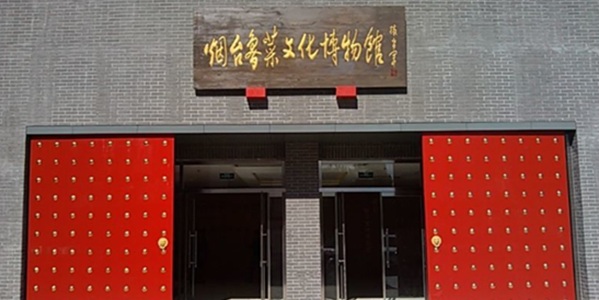
In the morning, explore the Lu Cuisine Culture Museum and try your hand at Lu cuisine techniques. In the afternoon, visit the Fushan Ancient City Site to trace a thousand years of history. In the evening, stroll Chengli Street to taste classic Lu dishes.
In the morning, tour Menlou Reservoir to enjoy the lake and mountain scenery of 'Yantai's Giant Water Tank'. In the afternoon, visit the thousand-year-old Helu Temple for a sense of zen. In the evening, climb Qinglongshan for a panoramic view of Fushan and experience the sports park's leisure facilities.
In the morning, enter Zhanggezhuang Cherry Valley to pick the 'First Fruit of Spring in the North'. In the afternoon, visit Gaotan Town farm to experience farming fun. In the evening, shop at the specialty market for Lu cuisine ingredients and cherry products before departure.
A classic Lu cuisine noodle dish, renowned for its 'stretching, tossing, and pulling' technique. The noodles can be as thin as silver threads or as wide as belts, served with fried sauce, gravy, or clear soup toppings. Known as one of 'China's Four Great Pulled Noodles', with the saying 'If you haven't had pulled noodles in Fushan, you haven't truly been to Fushan.'
A traditional Fushan pastry made from hard dough fermented and baked. Crispy on the outside, soft and fluffy inside. Can be eaten plain or paired with dishes. Due to its long shelf life and chewy texture, it became an essential travel provision for Jiaodong people. Listed in Yantai's intangible cultural heritage directory.
The top dish among Lu cuisine's 'Ten Famous Dishes'. Fushan chefs pair local sea cucumber with Zhangqiu scallions, going through multiple processes including braising and reducing. The sea cucumber is soft and chewy, with a rich scallion aroma, representing the Lu cuisine philosophy of 'never tiring of refined eating'.
A representative Fushan Lu cuisine dish, using fresh bass fillets seasoned with fragrant lees wine. The meat is tender and delicate, with a rich lees aroma. Emphasizing 'smooth yet not greasy, rich lees fragrance', it embodies the 'clear, fresh, and elegant' characteristics of Lu cuisine.