Former Royal Land · Snowy Secret Realm
Shannan City, Qusong County—the fief of Tubo royal descendants, boasting the Lajali Palace Ruins, a National Key Cultural Relics Protection Unit, blending plateau natural landscapes with profound historical culture. A 3-day 2-night itinerary to explore royal ruins and natural beauty.
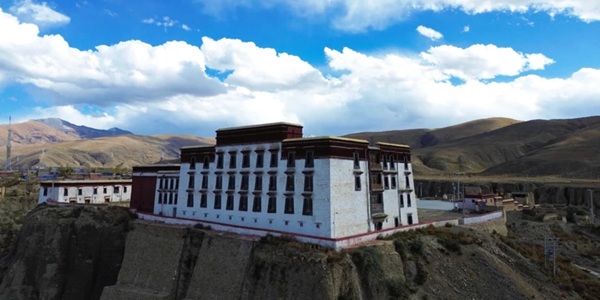
Qusong County Three Days Royal Culture Journey
Palace Exploration + Ancient Temple Tracing + Wetland Scenery, decode the history of the snowy plateau royalty
In-depth visit to the Lajali Palace Ruins
- The ruins area is large, it is recommended to reserve over 3 hours for the visit
- Some building ruins are steep, pay attention to safety
- Photography is prohibited inside the museum
- It is recommended to hire a guide to understand the historical background
- Royal style Tibetan cuisine
- Qusong Yak Beef Jerky
- Highland Barley Porridge
- Butter Tea
Millennium-old monastery religious art appreciation
- Remove hats and sunglasses when entering monasteries
- Observe regulations in areas where photography is prohibited
- Obtain consent before photographing local residents
- Some sections to the monasteries are dirt roads, prepare dust protection gear
- Observe monks chanting scriptures
- Thangka painting experience
- Tibetan knife making craft learning
- Participate in folk religious activities (understand taboos in advance)
Plateau ecology and hot spring wellness
- The wetland climate is changeable, prepare wind and rain protection gear
- Do not soak in the hot spring for too long
- Respect wetland protection regulations, do not enter the core area without permission
- Respect the farmers' hard work when visiting pastoral areas
- Wetland bird watching and photography
- Hot spring therapy and wellness
- Plateau pastoral hiking
- Participate in agricultural activity experiences
Qusong County Must-Try Foods
Lajali Royal Tibetan Cuisine
Derived from the court dishes of the Lajali Dynasty, using yak beef and mutton as main ingredients, meticulously prepared with attention to plating, reflecting royal dining culture.
Qusong Yak Beef Jerky
Made from the hind leg meat of local yaks, prepared using traditional curing and air-drying techniques. The meat is tender and uniquely flavored, convenient to carry.
Tibetan Yogurt Cake
A traditional pastry made with plateau yogurt as the main ingredient, with a soft texture, moderate sweetness and sourness, and rich nutrition.
Qusong Highland Barley Wine
A traditional wine brewed with locally produced high-quality highland barley, with moderate alcohol content and mellow taste, an essential drink for local festivals.
- May-Jun: Spring warmth and flowering, migratory birds gather in the wetland, pleasant scenery
- Sep-Oct: Crisp autumn air, suitable for visiting palace ruins and photography
- Nov-Apr: Winter cold, but fewer tourists, you can experience hot springs
- Day 1: Focus on visiting the Lajali Palace Ruins and Museum
- Day 2: Explore religious and cultural attractions and handicraft villages
- Day 3: Experience wetland ecology and hot spring wellness
- It is recommended to rent a local vehicle for convenient access to various attractions
- The average altitude within the county is high, pay attention to altitude sickness prevention
- Respect local religious beliefs and customs
- Mobile phone signals are weak in some areas, prepare communication options in advance
- Accommodation conditions in the county are limited, you can choose to stay in Shannan city
- Qusong County is about 180km from Shannan city center, accessible by shuttle bus or chartered car
- Attractions within the county are scattered, chartering a car is recommended
- Some rural roads are dirt roads and may be muddy during the rainy season
- About 300km from Lhasa, a Lhasa-Qusong loop tour can be arranged