Hometown of Tibetan Kings · Cradle of Civilization
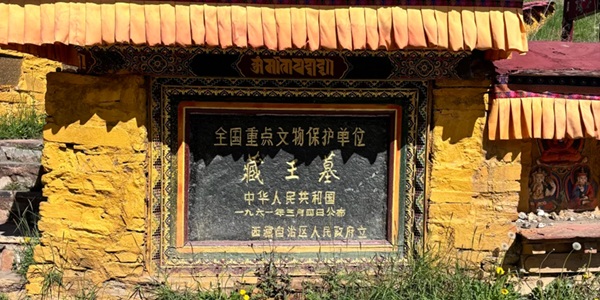
Shannan City, Qiongjie County—the birthplace of the Tubo Dynasty, boasting national key cultural relics protection units such as the Tibetan King's Tombs and Qingwa Dazi Palace ruins. A 3-day 2-night itinerary to touch the pulse of ancient Tibetan civilization.
Qiongjie County Three Days Tubo Cultural Journey
Tomb Exploration + Ancient Capital Tracing + Religious Origins, decode the Tubo civilization
Tibetan King's Tombs archaeological journey
- Abide by cultural relics protection regulations in the scenic area
- The mountain road to Qingwa Dazi Palace ruins is steep
- Photography is prohibited inside the museum
- It is recommended to hire a professional guide to understand the historical background
- Qiongjie Tibetan Noodles
- Tubo Flavor Roast Lamb Chops
- Butter Cake
- Highland Barley Wine
Ancient monasteries and religious art
- Dress formally when entering monasteries
- Do not touch Buddha statues and murals
- Obtain consent before photographing inside the monastery
- Some monasteries require hiking to reach
- Observe monks chanting scriptures
- Religious mural appreciation
- Thangka making experience
- Tibetan incense making craft learning
Rural cultural experience
- Respect local customs when entering villages
- You can bargain appropriately when buying handicrafts
- Keep quiet when visiting the wetland
- Intangible cultural heritage experiences require advance reservation
- Tibetan family home visit
- Traditional wedding custom experience
- Wetland bird watching photography
- Intangible cultural heritage handicraft making
Qiongjie County Must-Try Foods
Qiongjie Tibetan Noodles
A specialty noodle dish of Qiongjie County, made with local highland barley flour, served with yak beef broth and special spicy sauce, offering a unique flavor.
Tubo Roast Lamb Chops
A specialty dish inheriting ancient Tubo cooking skills, using local lamb marinated and then roasted, with a crispy outside and tender inside, full of aroma.
Qiongjie Butter Cake
A traditional pastry made with butter, highland barley flour, and sugar, with a soft texture, sweet but not greasy.
Tibetan Yogurt Rice
A specialty food made by mixing rice with plateau yogurt, sweet and sour, delicious, and helpful for digestion.
- Apr-May: Spring warmth and flowering, pleasant climate, fewer tourists
- Sep-Oct: Crisp autumn air, suitable for outdoor tours and photography
- Jun-Aug: Rainy season, but lush greenery and comfortable temperatures
- Day 1: Focus on visiting the Tibetan King's Tombs and Qingwa Dazi Palace ruins
- Day 2: Explore religious and cultural attractions
- Day 3: Experience rural folk customs and intangible cultural heritage
- It is recommended to hire a professional guide to understand the historical background
- No graffiti or carving inside cultural relics protection units
- Respect local religious beliefs and customs
- Some ruin areas lack shading facilities, take sun protection measures
- Accommodation conditions in the county are limited, you can choose to return to Shannan city for accommodation
- Qiongjie County is about 60km from Shannan city center, accessible by shuttle bus or chartered car
- Attractions within the county are relatively concentrated, accessible on foot or by local tricycle
- Renting a local vehicle is required to reach some rural attractions
- Road conditions are good, ordinary sedans can pass