Wanbolin District Tourism
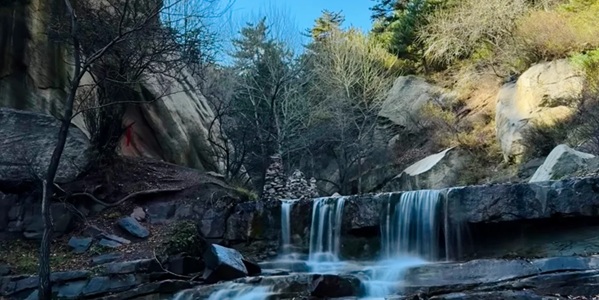
Wanbolin District, Taiyuan, Shanxi — the city's ecological core area, integrating natural landscapes such as Xishan National Forest Park, Fen River Scenic Area, and Yumen River Park, blending ecological greenery with cultural heritage. A 2-day-1-night leisure tour to experience the beauty of nature and feel the unique charm where mountains and city intertwine.
Explore Tourism in Taiyuan Districts and Counties
Wanbolin District 2-Day-1-Night Eco-Leisure Journey
Explore Xishan Forest secrets, enjoy the rippling Fen River, experience city vitality in parks, taste Shanxi specialty noodles, unlock the beauty of Taiyuan's ecology and culture
Enjoy a full morning at Xishan National Forest Park, climbing and breathing in the fresh air to feel the charm of nature. In the afternoon, stroll along the Fen River Scenic Area to admire the riverside scenery. In the evening, visit Taizhong Cultural Square to learn about industrial history.
- Homestays near Xishan Scenic Area
- Yifen Street business hotels
- Xiayuan commercial area express hotels
- Knife-Cut Noodles
- Tijian Noodles
- Cat's Ear Noodles
- Tounao (Brain Stew)
- Comfortable sneakers are recommended for Xishan National Forest Park
- Fen River Scenic Area has beautiful evening views, suitable for photography
- Taizhong Cultural Square is free to visit; rules must be followed
Visit Yumen River Park in the morning to admire the garden landscapes. Experience leisure facilities at Heping Park in the afternoon. Explore the Xiaojingyu Cultural Industry Park in the afternoon to feel the charm of cultural creativity. Take a stroll and relax at Yifen Park in the evening.
- Yumen River Park is accessible by Bus No. 821 or 832
- Multiple bus lines serve the Heping Park area, including Bus No. 5 and 402
- It is about a 10-minute taxi ride from Heping Park to Xiaojingyu Cultural Industry Park
- Xishan National Forest Park: ¥10
- Taizhong Cultural Square: Free
- Xiaojingyu Cultural Industry Park: Free
- All parks: Free
- Heping Park has high visitor traffic on weekends; a weekday visit is recommended
- Xiaojingyu Cultural Industry Park has specialty handicrafts available for purchase as souvenirs
- Yifen Park hosts public cultural activities in the evening, which visitors can participate in
Must-Try Foods in Wanbolin District
Knife-Cut Noodles (Dao Xiao Mian)
A traditional Shanxi noodle dish where the dough is cut into pieces thick in the middle and thin on the edges using a special knife. After boiling, they are served with various toppings. The texture is chewy, smooth on the outside and firm on the inside, not sticky at all. It is hailed as one of the "Top Ten Noodles in China."
Tijian Noodles
A specialty noodle dish from Shanxi. Noodles are scraped out into long strands using chopsticks along the edge of a plate. The texture is firm and chewy, easy to digest, and it is a beloved home-cooked dish for locals, which can be served with meat or vegetable toppings.
Tounao (Brain Stew)
A Taiyuan specialty breakfast, also known as "Eight Delicacies Soup." It is brewed from various ingredients including mutton, astragalus, lotus root, and Chinese yam. It has nourishing effects and is a traditional winter delicacy for locals, typically eaten with "Mao He" (hat box pastry).
Cat's Ear Noodles (Mao Er Duo)
A traditional Shanxi noodle dish named for its resemblance to a cat's ear. It is handmade and has a chewy, slippery texture. It can be boiled in soup or stir-fried and is a very distinctive type of Shanxi noodle, deeply loved by the public.
- Spring (Apr-May): Park flowers in full bloom, suitable for spring outings
- Autumn (Sep-Oct): Cool weather, suitable for mountain climbing
- Summer (Jun-Aug): Water activities available at Fen River Scenic Area
- Knife-Cut Noodles
- Tijian Noodles
- Tounao (Brain Stew)
- Cat's Ear Noodles
- Guanchang (Jelly Strip)
- Tickets: Approx. ¥20
- Accommodation: ¥150-300/night
- Dining: ¥60-120/day
- Transportation: Approx. ¥30
- Total: ¥500-1000
- Is reservation needed for Xishan National Forest Park? → No reservation needed; purchase tickets on-site
- Is there parking at Xiaojingyu Cultural Industry Park? → Yes, paid parking lot with ample spaces
- Where is the most authentic Knife-Cut Noodles? → "Old Taiyuan Knife-Cut Noodle House" in Wanbolin District
- Is cycling allowed at Fen River Scenic Area? → Yes, dedicated cycling lanes are available within the scenic area