Jinyuan District Tourism
Jinyuan District, Taiyuan, Shanxi — the core area of Jin culture, integrating the "Three Treasures" of Jinci Temple, Mengshan Buddha, and Tianlong Mountain Grottoes, blending millennia of ancient charm with natural beauty. A 3-day-2-night in-depth tour decoding the essence of Jin culture, appreciating the unique allure where history and nature intertwine.
Explore Tourism in Taiyuan Districts and Counties
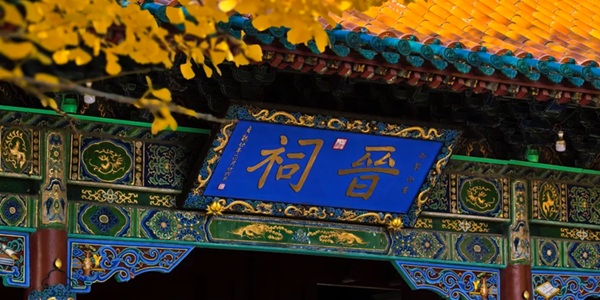
Jinyuan District 3-Day-2-Night Jin Culture Journey
Admire the ancient architecture of Jinci Temple, witness the grandeur of Mengshan Buddha, explore the art of Tianlong Mountain Grottoes, stroll through the ancient city and taste Jin cuisine, unlocking the beauty of Taiyuan's culture and nature
Visit Jinci Temple in the morning to admire the 'Three Wonders,' stroll through Jinci Park to enjoy the garden's beauty, explore Jinyuan Old Town in the afternoon to experience folk customs, and taste Jin-flavored snacks in the evening.
- Hot spring hotels near Jinci Temple
- Characteristic homestays in Jinyuan Old Town
- City center chain hotels
- Tounao (Brain Stew)
- Mao He (Hat Box Pastry)
- Jinyuan Yougao (Oil Cake)
- Guoyou Rou (Fried Pork)
- Hiring a guide at Jinci Temple Museum is recommended (50 RMB/time)
- Jinci Park offers battery car transport (10 RMB/person)
- Photos look best in Jinyuan Old Town when lanterns are lit at dusk
Ascend Mengshan Buddha in the morning to feel the solemnity of the Buddhist kingdom, explore Taishan Longquan Temple in the afternoon to admire the Tang Dynasty pagoda, and stroll through Jinyang Lake Park in the evening to enjoy the scenery of the lake and mountains.
- Mengshan Buddha Scenic Area is accessible via Bus Y1
- Taishan Longquan Temple is about 5km from Mengshan, a 15-minute taxi ride
- Jinyang Lake Park is reachable by Bus 310 or 856
- Jinci Temple Museum: 80 RMB
- Mengshan Buddha Scenic Area: 70 RMB
- Taishan Longquan Temple: 30 RMB
- Jinyang Lake Park: Free
- Mengshan has many stairs; comfortable sneakers are recommended
- The Tang Dynasty Pagoda at Taishan is the temple's treasure; do not miss it
- Sunset views at Jinyang Lake in the evening are breathtaking
Explore the Tianlong Mountain Grottoes in the morning to appreciate Buddhist art, wander through the Ancient Taiyuan County Town in the afternoon to experience the old city's charm, visit the Longshan Grottoes in the evening to understand Taoist culture, purchase local specialties, and return.
- Tianlong Mountain scenic sightseeing bus (20 RMB/person)
- Hanfu (traditional clothing) rental experience in Ancient Taiyuan County Town
- Taoist culture explanation at Longshan Grottoes
- Jin Opera performance viewing (check schedule in advance)
- Jinyuan Rice
- Taiyuan Tounao Gift Box
- Pingyao Beef (available at Jinyuan branch stores)
- Tuiguang Lacquerware Crafts
- Tianlong Mountain is about 30km from Taiyuan Station, a 40-minute taxi ride
- Taiyuan South Station (High-speed rail) has trains to Beijing, Xi'an, and other cities
- Specialties can be purchased within the Ancient Taiyuan County Town
Must-Try Foods in Jinyuan District
Tounao (Brain Stew)
A traditional famous dish in Taiyuan, also known as 'Eight Delicacies Soup.' It is brewed from various ingredients including mutton, astragalus, lotus root, and Chinese yam. The taste is mellow and rich, offering excellent nourishment, and is said to have been created by Mr. Fu Shan.
Mao He (Hat Box Pastry)
A Jinyuan specialty snack named for its resemblance to an old-fashioned hat box. Made from flour as the main ingredient with seasonings like pepper leaves, it is deep-fried to perfection. It features a crispy exterior and soft interior, with a savory and delicious taste, traditionally paired with Tounao.
Guoyou Rou (Fried Pork)
A classic Jin cuisine dish. Slices of pork tenderloin are battered and deep-fried, then stir-fried with ingredients like wood ear mushrooms and winter bamboo shoots. The dish is golden in color, tender on the outside and soft on the inside, with a savory and slightly sour taste, making it an essential dish at Shanxi banquets.
Jinyuan Yougao (Oil Cake)
A traditional snack from Jinyuan, made with yellow rice flour wrapping red bean paste, jujube paste, or other fillings, then deep-fried. The outer skin is crispy, the inner filling is sweet, and the texture is soft and glutinous. It is a traditional food for festivals, symbolizing 'rising higher step by step.'
- Spring (Apr-May): Flowers bloom, suitable for mountain climbing
- Autumn (Sep-Oct): Cool weather, suitable for visiting historical sites
- Winter (Dec-Feb): Experience winter specialties like Tounao
- Tounao (Brain Stew)
- Mao He (Hat Box Pastry)
- Guoyou Rou (Fried Pork)
- Jinyuan Yougao (Oil Cake)
- Yang Za Ge (Mutton Offal Stew)
- Tickets: Approx. 200 RMB
- Accommodation: 150-300 RMB/night
- Dining: 60-120 RMB/day
- Transportation: Approx. 80 RMB
- Total: 700-1300 RMB
- Best time to visit Jinci Temple? → 9:00-11:00 AM, fewer tourists and suitable lighting
- Is reservation needed for Tianlong Mountain Grottoes? → Yes, book via the 'Tianlong Mountain Grottoes' WeChat official account
- Is Tounao suitable for breakfast or dinner? → Traditionally eaten for breakfast, paired with Mao He
- Where is the most authentic Tounao? → The 'Time-honored Tounao Restaurant' in Jinyuan Old Town (centuries of heritage)