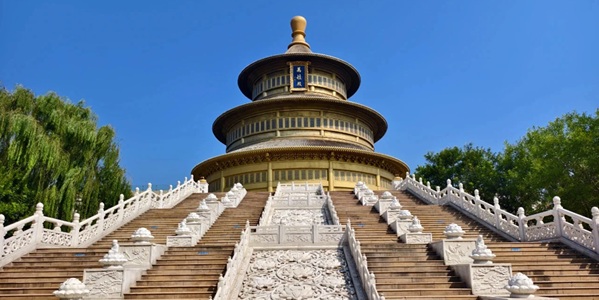
Qingyun Palace
An important Taoist site in Northern Lu. The antique building complex is built against the hill, enshrining statues of the Three Pure Ones and Jade Emperor. Features include the Eight Trigrams Array and Alchemy Furnace, showcasing the Taoist concept of "Unity of Heaven and Man." Regular Taoist culture lectures are held.
Qingyun Memorial Hall
A patriotic education base showcasing the history of revolutionary struggles in the Qingyun area. Houses over 200 revolutionary artifacts and photos, focusing on the resistance stories of Qingyun people during the Anti-Japanese War. An important venue for red study tours.
Beihai Park
Qingyun County's urban wetland park, themed on "water-friendly leisure," featuring lakes, wetlands, and wooden boardwalks. Planted with reeds, lotus, and other aquatic plants. An ecological leisure area for bird watching, walking, and cycling.
Bohai Chun Wine Culture Park
A cultural park centered on the local time-honored brand "Bohai Chun" wine, showcasing traditional brewing techniques and wine vessel artifacts. Visitors can tour the brewing workshop, taste raw wine, and learn about Northern Lu liquor culture.