Lanshan County Tourism, Yongzhou, Hunan
Lanshan County, Yongzhou, Hunan — the source of the Xiangjiang River, an ecological barrier, integrating river culture, ancient temple Zen, and tea mountain scenery. It features attractions such as Xiangjiang Source, Taxia Temple, and Baidieling. Experience the ecological and cultural beauty of "Source of Xiangjiang River + Song Dynasty Ancient Temple + 10,000-mu Tea Mountain" in one day.
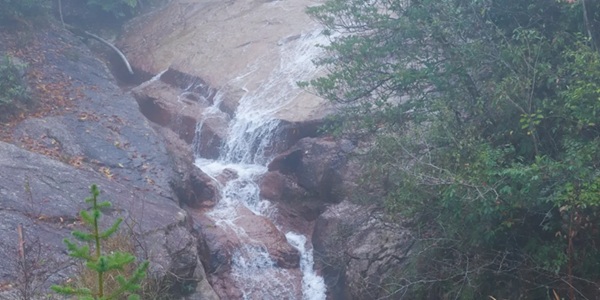
One-Day Ecological Tracing Tour in Lanshan County
Tracing the source of Xiangjiang River, seeking seclusion in ancient temples, viewing scenery on tea mountains, exploring ancient villages
Morning: Explore Xiangjiang Source to find the origin of the river, visit Taxia Temple to admire Song Dynasty architecture; Afternoon: Climb Baidieling to tour 10,000-mu tea garden, stroll around Maojun Ancient Village to experience folk culture; Evening: Walk in Lanshan National Forest Park.
- There are tourist special lines from Lanshan County to various attractions
- Xiangjiang Source requires a long time to visit
- Taxia Temple is within walking distance in the county seat
- It is recommended to charter a car to visit distant attractions
- Xiangjiang Source: ¥50 per person
- Taxia Temple: ¥30 per person
- Baidieling: Free
- Maojun Ancient Village: Free
- Forest Park: Free
- Lanshan Camellia Oil
- Xiangjiang Source Fresh Fish
- Baidieling Tea
- Yao Family Cured Meat
Must-Try Foods in Lanshan County
Lanshan Camellia Oil
A traditional drink of the Yao nationality in Lanshan, made by boiling crushed tea leaves, ginger, peanuts, sesame and other raw materials. It has a rich aroma and taste, with the effects of dispelling cold, warming the stomach, refreshing the mind. It is the most representative special food in Lanshan.
Xiangjiang Source Fresh Fish
Using fresh live fish from the Xiangjiang Source basin, cooked with traditional Lanshan cooking methods. The fish meat is tender and the soup is delicious, with the spiciness of Hunan cuisine while retaining the original flavor of the fish. It is an excellent choice to taste river fresh food.
Baidieling Tea
A specialty tea of Lanshan, produced in the 10,000-mu ecological tea garden of Baidieling. The tea has excellent quality and rich aroma, including green tea, black tea and other varieties, which is an ideal gift for relatives and friends.
Yao Family Cured Meat
A traditional food of the Yao nationality in Lanshan, made by smoking local native pigs, native chickens, etc. with pine branches, tea tree branches, etc. The cured meat has a golden color, unique aroma and firm meat quality, which is a precious food for the Yao people to entertain guests.
- Spring (March-May): Spring tea picking in Baidieling, new green tea mountains
- Summer (June-August): Cool summer resort in Xiangjiang Source
- Autumn (September-November): Clear sky and light clouds, suitable for mountain climbing and sightseeing
- Yao culture and camellia oil tasting can be experienced all year round
- Tracing and exploring Xiangjiang Source
- Appreciating ancient architecture of Taxia Temple
- Sightseeing on Baidieling Tea Mountain
- Experiencing folk customs in Maojun Ancient Village
- Tasting Lanshan Camellia Oil
- Tickets: ¥70-100
- Catering: ¥50-90 (including special food)
- Transportation: ¥40-80
- Shopping: ¥30-80 (specialties and souvenirs)
- Total: ¥100-280
- What is the difficulty of climbing Xiangjiang Source? → Moderate difficulty, requires good physical strength
- What are the characteristics of Taxia Temple? → One of the earliest existing wooden structures in Hunan Province
- When is the best time for Baidieling tea? → Spring tea has the best quality, around Qingming Festival
- Why is Maojun Ancient Village called the Village of Hundred Surnames? → Villagers come from all over the country, with 109 surnames