Wuhua County Travel
Wuhua County, Meizhou City, Guangdong Province – an important birthplace of Hakka culture, home to the primeval forest of Qimu Mountain and China's only thermal mineral mud resources. Experience natural ecology and millennium-old Hakka culture in a 3-day 2-night tour.
3-Day 2-Night Ecological and Cultural Tour of Wuhua County
Explore primeval forests, soak in therapeutic mineral mud, visit a millennium-old Confucian temple, and taste authentic Hakka feasts
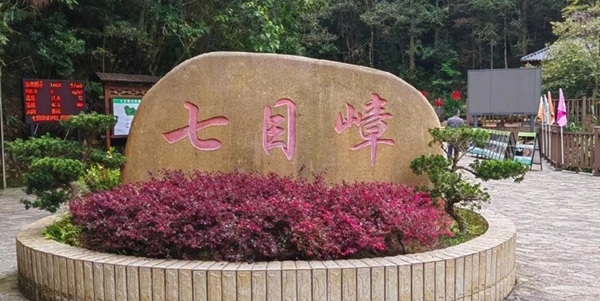
Morning: Hike through Qimu Mountain primeval forest to see rare plants and animals; Afternoon: Explore the "Underwater World" geological wonders; Evening: Visit the mountain ancient temple and experience the Zen atmosphere.
- Qimu Mountain Forest Guesthouse
- Datian Town Farmhouse Inn
- County Town Hotels
- Wuhua Stuffed Tofu
- Hakka Salt-Baked Chicken
- Braised Pork
- Bitter Bamboo Shoot Casserole
- Hiking in the reserve requires a guide
- Mountain weather is changeable, bring rain gear and jacket
- Wear non-slip hiking shoes and carry sufficient drinking water
Morning: Experience the world's rare thermal mineral mud bath to relax; Afternoon: Visit the former residence of football legend Li Huitang to learn about football culture; Evening: Visit Wuhua Olympic Sports Center to experience sports vitality.
- Special bus from county town to Tanghu
- Li Huitang's Former Residence is about 20km from county town
- Olympic Sports Center is in county town with convenient transportation
- Thermal Mineral Mud Resort: ¥128 per person
- Li Huitang's Former Residence: ¥20 per person
- Olympic Sports Center: Free (except during events)
- Recommended mineral mud bath duration: 20 minutes
- Guided tour service available for the former residence
- Football-themed memorial hall at Olympic Sports Center
Morning: Visit Changle Confucian Temple, one of the largest existing Confucian temples in Guangdong, to experience Confucian culture; Afternoon: Explore Shixiong Mountain Pagoda to appreciate Song Dynasty architectural art; Evening: Visit Wuhua Museum to learn about local history.
- Direct bus from county town to Huacheng (about 30 minutes)
- Confucian Temple and Shixiong Mountain Pagoda are about 2km apart
- Museum is in county town center, accessible on foot
- Morning light at Changle Confucian Temple is ideal for panoramic shots
- Shixiong Mountain Pagoda has the best scenery at sunset
- No flash photography for exhibits in the museum
- Traditional cultural experience activities every Saturday at Confucian Temple
- Pay attention to safety when climbing Shixiong Mountain Pagoda
- Free Wuhua travel map available at museum
Must-Try Foods in Wuhua County
Wuhua Stuffed Tofu
Signature Hakka dish of Wuhua, made with locally produced soybean tofu stuffed with fresh pork filling and slow-cooked in a casserole. The tofu is tender and the filling is fragrant, an essential dish at Hakka banquets.
Wuhua Sashimi
Specialty of Wuhua, made with fresh grass carp sliced into thin pieces and served with shredded ginger, green onion, peanuts, garlic slices and other seasonings. Tender texture and unique flavor, a treasure at local banquets.
Changle Shao Wine
Traditional famous wine of Wuhua, originated in the Ming Dynasty. Brewed from high-quality rice using traditional techniques, with clear liquor, rich aroma and mellow taste, representative of Hakka rice wine.
Stuffed Three Treasures
Traditional stuffed dish of Hakka in Wuhua, made by cutting bitter melon, eggplant and green pepper, stuffing with pork filling and steaming. Rich texture with reasonable meat and vegetable combination, reflecting Hakka culinary wisdom.
- Spring (March-May): Qimu Mountain is full of blooming flowers, ideal for spring outing
- Autumn (September-November): Cool climate, suitable for outdoor activities
- Winter (December-February): Best season for thermal mineral mud bath experience
- Wuhua Stuffed Tofu
- Sashimi
- Changle Shao Wine
- Stuffed Three Treasures
- Hakka Pickled Noodles
- Tickets: About ¥200
- Accommodation: ¥150-350 per night
- Catering: ¥80-120 per day
- Transportation: ¥80-150
- Total: ¥600-1200
- What are the taboos for thermal mineral mud bath? → Not suitable for pregnant women and hypertension patients
- How long to spend at Qimu Mountain? → Recommended for a full day
- What are the special souvenirs in Wuhua? → Changle Shao Wine, Hakka Niang Wine, Honey Pomelo
- What are the recommendations for football-themed tourism? → Li Huitang's Former Residence, Olympic Sports Center