Tea Source Land · Homeland of Four Ethnic Groups

Lincang Shuangjiang County — the world's tea tree origin and China's only multi-ethnic autonomous county encompassing Lahu, Wa, Blang, and Dai peoples. A 2-day-1-night itinerary exploring the ten-thousand-mu Mengku Ancient Tea Garden, boating on the mystical Bingdao Lake, and experiencing the four-ethnic co-inhabitation culture, feeling the ecological and cultural charm at the source of the Tea Horse Road.
12,000 Mu
Ancient Tea Garden
Four Ethnic Groups
Co-Inhabited
Millennium
Tea Planting History
Lancang River
Water Source Region
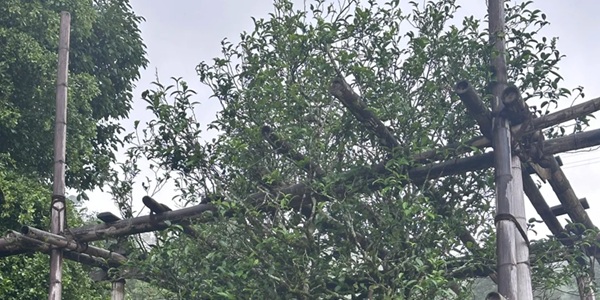
Shuangjiang Ancient Tea Garden
Shuangjiang County Mengku Ten-Thousand-Mu Ancient Tea Garden Landscape
Misty Mengku Great Snow Mountain ancient tea tree clusters

Shuangjiang County Two Days One Night Tea Source Culture Journey

Tea mountain exploration + lake scenery + cultural experience, feel the charm of the world's tea tree origin

Duration
2 Days 1 Night
Main Destinations
Mengku Ancient Tea Garden, Bingdao Lake Scenic Area, Shennong Shrine, Mangnuo Stone Carvings, Four-Ethnic Customs Garden
Suitable For
Tea Culture Enthusiasts, Nature Explorers, Ethnic Researchers, Photographers
Per Capita Budget
¥340-¥590
01
Tea Mountain & Secret Realm Exploration
Nature & Ecology
Itinerary Highlights

Explore the ancient tea garden in the morning, boat on Bingdao Lake in the afternoon.

Attractions
Mengku Ancient Tea Garden
The core area of the world's tea tree origin, preserving 12,000 mu of wild ancient tea tree clusters, including the Great Snow Mountain sightseeing boardwalk, Tea Ancestor Sacrificial Altar, and Tea Culture Museum — the most important germplasm gene bank for Pu'er tea.
Bingdao Lake Scenic Area
A plateau lake ecotourism area with a water area of 15 square kilometers, featuring a lakeside boardwalk, viewing platforms, and a wetland park. Known as the "Sapphire of Dianxi Nan," it serves as a habitat for rare bird species.
Gongnong Blang Ancient Village
A traditional Chinese village preserving intact Blang stilt-style building clusters, including the village guardian tree, sacrificial square, and ancient tea workshops — a living museum for understanding the Blang people's Tea Ancestor faith.
Practical Information
Travel Tips
  • Wear slip-resistant shoes for tea mountain trails
  • Protect against UV exposure at the lake area
  • Respect Tea Ancestor beliefs
Accommodation Recommendations
  • Tea mountain view B&Bs
  • Lakeside resort hotels
  • Ethnic-themed inns
02
Culture & History Exploration
Tradition & Faith
Itinerary Highlights

Pay homage at Shennong Shrine in the morning, experience four-ethnic customs in the afternoon.

Attractions
Shennong Shrine
The sacred site of Chinese Tea Ancestor worship, originally built during the Guangxu period of the Qing Dynasty. It comprises the Grand Shennong Hall, Tea Culture Stele Forest, and millennium-old ancient tea trees, serving as the most important spiritual symbol of tea culture in Pu'er tea producing regions.
Mangnuo Stone Carving Group
A provincial-level cultural relics protection unit, preserving Yuan and Ming Dynasty Dai Buddhist stone carvings, including stupa bases, mantra steles, and mythical beast reliefs — bearing witness to the spread of Theravada Buddhism in southwestern Yunnan.
Four-Ethnic Customs Garden
A multi-ethnic cultural exhibition area integrating the architectural arts, song and dance performances, and intangible heritage skills of the Lahu, Wa, Blang, and Dai peoples — a living cultural space for experiencing four-ethnic harmonious co-inhabitation.
Practical Information
Special Experiences
  • Tea Ancestor sacrificial ceremony
  • Ethnic costume wearing
  • Traditional tea-making experience
Return Trip Suggestions
  • Allow time for souvenir shopping
  • Mengku ancient tree tea
  • Ethnic handicrafts

Shuangjiang County Must-Try Foods

Tea Leaf Crisp

A tea hometown specialty snack — fresh tea leaves coated in batter and deep-fried to perfection. Crispy outside with a fresh tea aroma, it embodies the innovative fusion of tea and culinary culture.

Lahu Roast Meat

A traditional Lahu delicacy — free-range pork baked in bamboo tubes with wild spices, crispy outside and tender inside. Listed in the provincial intangible cultural heritage directory, it represents the highest etiquette in Lahu hospitality.

Dai Style Sour Stew

A Dai specialty dish — seasonal mountain delicacies stewed with sour bamboo shoots, tangy and spicy to stimulate the appetite. Hailed as the "King of Sour Flavors in Dianxi Nan," it embodies the culinary wisdom of the tropical rainforest.

Shuangjiang County Travel Tips
Best Seasons
  • March-April: Ancient tea tree spring harvest season
  • September-November: Best season for lake and mountain scenery
  • April: Lahu Kuta Festival
Cultural Etiquette
  • Do not casually pick tea branches on tea mountains
  • Maintain solemnity at sacrificial sites
  • Respect the different customs of the four ethnic groups
Safety Reminders
  • Watch your step on tea mountain roads
  • Wear life jackets for lake tours
  • Bring rain gear during rainy season
Transportation Guide
  • Lincang to Shuangjiang: 2-hour drive
  • Off-road vehicle recommended for mountain roads
  • Ancient tea garden roads are narrow
  • County town attractions are walkable