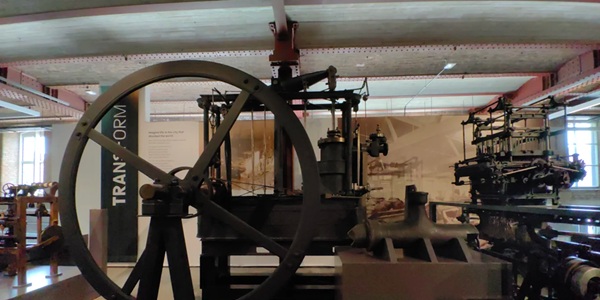
The Science and Industry Museum — located on the site of the world's first passenger railway station (Liverpool Road Station, opened in 1830), it is the UK's largest museum dedicated to the Industrial Revolution. The museum houses the UK's largest collection of working steam engines — the Power Hall. Exhibits include textile machinery, the early computer "Baby", aircraft engines and printing presses. The interactive "Power Up" zone lets visitors operate over 200 gaming consoles from the 1970s to today, making it an excellent choice for families. A half-day in-depth tour takes you back to the dawn of the Industrial Revolution, feeling the thunder of steam and gears.
From the giant steam engines of the Power Hall to the flying shuttle roar of the textile machinery gallery, from the railway memories of Liverpool Road Station to the digital dawn of the Baby computer — step into the beginning and end of the Industrial Revolution
A 15-minute walk from Manchester Piccadilly station brings you to the museum's main entrance. We recommend arriving right when it opens at 10:00am, heading straight for the Power Hall — the UK's largest collection of working steam engines. Watch the giant steam engines go through their full start-up sequence from cold to full power, experiencing the industrial might of the 19th century. Next, explore the Textile Machinery Gallery to learn about Manchester's glorious history as the "Cotton Capital." Have a simple lunch at the museum café, then spend the afternoon visiting the Liverpool Road Station site — the world's first passenger railway station — and sit inside a restored first-class carriage, imagining the luxury and jolts of Victorian rail travel.
Day two's exploration begins at the museum's "digital heart" — the Baby computer, born in 1948, the world's first stored-program electronic computer, marking the dawn of the digital age. Then step into the Printing Press Gallery, from Gutenberg-style hand presses to steam-driven rotary printing presses, witnessing the revolutionary leap in information dissemination technology. In the afternoon, enter the Aviation Hall to get up close with early Rolls-Royce aero engines, learning how Manchester rose from ground-level industry to the skies. Finally, head to the interactive "Power Up" zone, where you can personally operate over 200 classic gaming consoles from Atari to PlayStation — fun for adults and children alike.
Just a 5-minute walk from the museum, converted from an 1868 Victorian slaughterhouse market, retaining the cast-iron dome and original wooden beams. Now home to over a dozen independent food stalls, from handmade pizza and smoked barbecue to fresh oysters and craft beer — Manchester's coolest place for the stomach. Average £10-£25 per person.
The café located inside the museum's main building, serving freshly prepared British light meals, sandwiches, salads and hot soups. Specialty recommendation: Manchester Egg Sandwich (exclusive snack) and freshly brewed coffee. Floor-to-ceiling windows overlook the historic railway platform, allowing you to dine while enjoying the heritage scenery. Average £8-£15 per person.
Located beside the Bridgewater Canal next to the museum, serving modern European cuisine and classic British pub food. Recommended dishes include pan-seared sea bass with mushy peas, slow-braised beef ribs and handmade burgers. Outdoor seating offers canal views and passing boats — the ideal relaxation spot after sightseeing. Average £15-£30 per person.
Manchester's most representative craft beer brand, with a tasting room a 10-minute walk from the museum. Offers a rich beer list from IPA to stout, paired with cheese platters and sausage snacks. Saturday afternoons often feature live music — the best place to experience Manchester's local culture. Average £10-£20 per person.