Glasgow Botanic Gardens Travel

Glasgow Botanic Gardens — founded in 1817 by botanist Thomas Hopkirk who donated his private collection, moved to its current location on Great Western Road in 1842, one of Scotland's most celebrated Victorian botanic gardens. The Kibble Palace glasshouse was built on the shores of Loch Long in the 1860s and relocated entirely to Glasgow in 1873; its curved iron-framed glass dome measuring 150 feet in diameter is one of the largest surviving Victorian glasshouse structures in Britain. The gardens hold three Plant Heritage National Collections: Tree Ferns, Begonias (one of the world's richest collections), and Dendrobium Orchids, totalling over 9,000 species. The 20-hectare landscape unfolds along the River Kelvin, open to the public free of charge, forming the most romantic green heart of Glasgow's West End.

1817
Year Founded
9000+
Plant Species
3
National Collections
£0
Free Entry
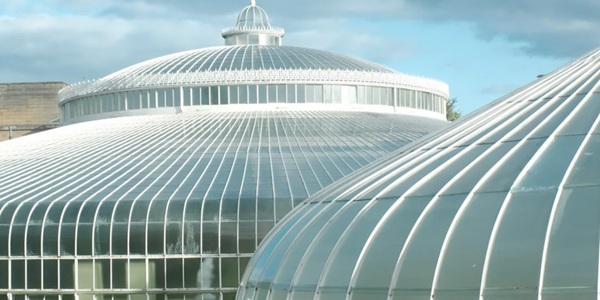
Glasgow Botanic Gardens Kibble Palace glasshouse and garden view
Glasgow Botanic Gardens
Victorian botanic garden founded in 1817, Kibble Palace century-old tree fern dome, three national plant collections and Kelvin riverside walk, all free to enter

Glasgow Botanic Gardens 1-Day In-Depth Tour

From century-old tree ferns beneath the Kibble Palace dome to national collections of begonias and orchids, wander ancient woodland along the Kelvin riverside path, and savour a traditional English afternoon tea at the Curator's House

Duration
1 day (extendable to 2-day Glasgow West End in-depth tour)
Main Destinations
Kibble Palace, Main Range Glasshouses, National Tree Fern Collection, Begonia Collection, Kelvin Riverside Walk, Botanic Gardens Tea Room
Suitable For
Plant lovers, photography enthusiasts, gardening fans, families, couples
Budget per person
£0-£35 (all gardens free, includes West End food and afternoon tea)
01
Glasshouse Wonders, National Plant Collections & Riverside Slow Living
Kibble Palace · Main Range Glasshouses · Tree Fern/Begonia/Orchid National Collections · Kelvin Riverside Walk · Botanic Gardens Tea Room
Highlights

Enter the gardens from the main gate on Great Western Road in the morning. Your eye is immediately drawn to the iconic Kibble Palace — a curved iron-framed glass dome 150 feet in diameter, inside which stand Australian tree ferns planted in the 1880s, some growing here for over 120 years, forming Britain's most spectacular indoor rainforest. Wander among the giant Southern Hemisphere ferns, gaze up at the light filtering through the dome, and take in nine classical marble statues scattered among the greenery. Then enter the Main Range Glasshouses, crossing 11 microclimate zones — from cactus deserts to tropical orchid rainforests, from carnivorous plant sections to the Begonia Hall (one of the world's richest begonia collections, including Begonia socotrana introduced in the 1880s). In the afternoon, follow the Kelvin riverside path northwards into ancient woodland, where towering Douglas firs and redwoods block out the sky, connecting to the Kelvingrove Park route entirely traffic-free. Return in the evening to the Curator's House tearoom for a traditional English afternoon tea — scones with clotted cream on a three-tier stand provide the perfect finale.

Attractions
Kibble Palace Glasshouse
Designed in the 1860s by engineer John Kibble with architects James Boucher and James Cousland, originally built on the shores of Loch Long at Coulport estate, entirely dismantled and transported by barge to Glasgow Botanic Gardens for reconstruction and expansion in 1873. The curved iron-framed glass dome, 150 feet (approx. 46 metres) in diameter, covers 23,000 square feet, making it one of the largest surviving Victorian glasshouse structures in Britain. The interior centres on the National Collection of Australian and New Zealand Tree Ferns — some planted in 1881 and now over 120 years old, forming a breathtaking miniature indoor rainforest. Nine classical marble statues are scattered throughout, including George Paulin's "Robert, King of Sicily," Edwin Roscoe Mullins' "Cain," and Giovanni Ciniselli's "Ruth." A £7 million comprehensive restoration (with £3.4 million from the Heritage Lottery Fund) was completed between 2004 and 2006, reopening on St Andrew's Day 2006. In the 1870s, it hosted rectorial addresses for both Disraeli and Gladstone at the University of Glasgow, giving it dual botanical and historical significance. Recommended to arrive at 10am opening time to avoid the afternoon crowds.
Main Range Glasshouses & Three National Plant Collections
The Main Range consists of 11 interconnected glasshouses, built in 1884 and fully renovated from timber to metal structure between 1988 and 2004. The 11 zones simulate global microclimates from desert to tropical rainforest: Cactus and Succulent House (humidity below 40%), Begonia House (one of the world's richest begonia collections with over 526 taxa, including Begonia socotrana introduced in the 1880s — the ancestor of winter-flowering varieties), Dendrobium Orchid House (386 taxa, 80-90% high humidity), Carnivorous Plant House (Venus flytraps and pitcher plants), Tropical Fern House, Aquatic Plant House, Palm House, Tropical Flower House, and Temperate/Tropical Economic Plant House. An outdoor chronological border arranges plants by the century they were introduced to Britain, from 16th-century medicinal herbs to modern exotic species, creating a living history of plant exploration. The World Rose Garden showcases rose varieties adapted to the Scottish climate. The gardens collectively hold over 9,000 different plant species, all open to the public free of charge.
Kelvin Riverside Walk & Botanic Gardens Tea Room
The northern half of the gardens unfolds along the River Kelvin, a true ancient woodland — towering Douglas firs (introduced in the early 19th century by plant hunter David Douglas), giant redwoods, Japanese black pines and Arran whitebeams (an Isle of Arran endemic) create a canopy overhead. The riverside dirt track connects to the Kelvin Walkway — a 9-mile riverside walking and cycling route stretching 1.5 miles south to Kelvingrove Park entirely traffic-free, Glasgow's most healing urban green corridor. Wildflowers bloom along the riverbanks in summer, autumn leaves reflect in the water, and herons and kingfishers can often be spotted in winter. Returning to the southern end of the gardens, the Botanic Gardens Tea Room inside the Curator's House (former head gardener's residence) is the West End's most popular afternoon tea destination — a traditional three-tier afternoon tea (from £10.50) includes smoked salmon sandwiches, roasted ham and mustard sandwiches, scones with clotted cream and jam, plus strawberry tart and whisky truffle chocolates. Herbal teas (chamomile, mint, apple mango tango, spicy citrus) are house specialties. Open Monday to Saturday 10:00-16:15, Sunday 11:00-16:15; advance booking recommended.
Abandoned Botanic Gardens Subway Station & Children's Garden
Hidden deep within the gardens lies a forgotten piece of urban memory — the abandoned Botanic Gardens Subway Station, closed since 1939, its platforms and tracks still sealed underground, with the entrance on Vinicombe Street now bricked up. This station is the most mysterious presence in Glasgow's subway system, a must-visit "ghost station" for metro enthusiasts. Above ground, the Children's Garden is a paradise for families — a wooden playhouse, sensory plant zone and seasonal activity spaces designed for children under 10, with a nearby mini vegetable patch and medicinal plant demonstration garden. On summer Sunday afternoons, the bandstand hosts free outdoor concerts — folk, classical and jazz in rotation, the most authentic summer leisure activity in the West End. Friends of Glasgow Botanic Gardens volunteers also offer free guided tours from spring to autumn (usually weekends at 11:00 and 14:00), no booking required, meeting at the visitor centre.
Practical Info
Getting There
  • Subway: Hillhead station, approx 5-7 min walk to main gate
  • Bus 6/6A/8/90/190 direct to Great Western Road stop
  • Approx 25 min walk from city centre via Sauchiehall Street
  • Subway day ticket approx £4.50 unlimited rides
  • No car park on site; public transport recommended
Tickets
  • Gardens and all glasshouses: Free (open year-round)
  • Kibble Palace: Free
  • Main Range 11 glasshouses: Free
  • Volunteer guided tours: Free
  • Afternoon tea: from £10.50 (booking recommended)
Travel Tips
  • Best photo time in glasshouses: 10-11am for soft light
  • Glasshouse areas are humid; wear easily removable layers
  • Dogs allowed in gardens but not inside glasshouses
  • Summer weekends busy; weekdays or early arrival recommended

Must-Eat Foods Near Glasgow Botanic Gardens

Crabshakk Botanics Seafood Restaurant

Housed in a Category A listed former garage building next to the Botanic Gardens, sharing the same beautifully restored space with Ka Pao. Signature squid tempura, crab cakes and anchovy butter pan-seared scallops are a seafood lover's paradise, paired with creative cocktails. Industrial-chic mixed with warm wood interiors epitomise Glasgow West End style. Per person £25-£40.

Ka Pao Southeast Asian Small Plates

Created by the team behind Ox and Finch, this Southeast Asian restaurant occupies the same Botanic Gardens garage building. A compact menu of shared dishes bursts with Thai, Malaysian and Vietnamese spice collisions; groups of four or more can opt for the chef's menu. Per person £20-£35.

Bo'Vine Scottish Steakhouse

On Byres Road directly opposite the Botanic Gardens exit, this boutique steakhouse sits within the Hilton Glasgow Grosvenor hotel. 28-day aged Scottish grass-fed beef is the absolute star, complemented by Arran cheddar cheese smoked burgers and Stornoway black pudding salad. Wine list features selected Scottish independent vineyards. Per person £25-£45.

Papercup Coffee Company

Just a 3-minute walk from the Botanic Gardens main gate on Great Western Road, a coffee pilgrimage site. Since opening in 2012, it has championed rotating local specialty beans and cold brew techniques. Brunch menus draw inspiration from around the globe, from Mexican-style eggs to Scottish smoked salmon bagels — the perfect caffeine refuel after exploring the glasshouses. Per person £8-£15.

Glasgow Botanic Gardens Travel Tips
Best Time to Visit
  • Spring (Mar-May): Daffodils, magnolias and cherry blossoms in succession
  • Summer (Jun-Aug): Rose garden in full bloom, outdoor concert season
  • Autumn (Sep-Nov): Kelvin riverside ablaze with red foliage
  • Winter glasshouses warm year-round, the most healing rainy-day escape
Must-Try Foods
  • Botanic Gardens Tea Room afternoon tea (three-tier stand)
  • Whisky truffle chocolates (tea room exclusive)
  • Handmade scones with clotted cream
  • Crabshakk crab cakes and scallops
  • Papercup cold brew coffee
Budget Reference
  • Gardens & glasshouses: £0 (free year-round)
  • Volunteer guided tours: £0
  • Afternoon tea: £10.50-£18
  • Meals: £15-35/day
  • Transport: approx £5 (subway day ticket)
FAQ
  • Do I need to book? → Entire gardens free, no booking needed; afternoon tea recommended to book by phone
  • Chinese guided tour available? → Currently English-only guide booklet; digital resources on Friends website
  • Can I take photos? → Free photography in gardens and glasshouses; no flash
  • Are glasshouses open in winter? → Open year-round, winter hours 10:00-16:00
  • Is parking available? → No on-site parking; paid street parking on Queen Margaret Drive

Explore More Glasgow Areas