Painswick Travel
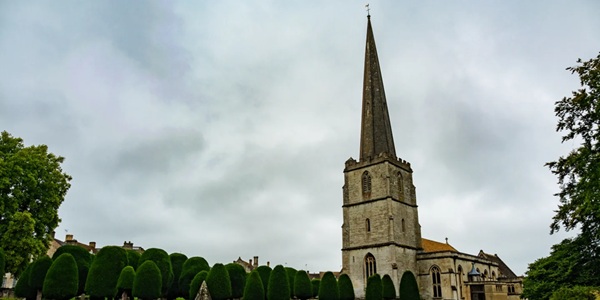
On the ridge of the Queen's Valley in Gloucestershire's Cotswolds sits the "Queen of the Cotswolds" – Painswick. Steep honey-coloured stone streets cascade downhill from the church. Architectural historian Alec Clifton-Taylor called St Mary's Church graveyard "the most magnificent churchyard in England," guarded by 99 clipped yew trees – legend says the 100th will be uprooted by the devil. Hidden in the valley beyond lies England's only complete surviving Rococo garden, built in the 1740s by Benjamin Hyett for entertaining guests. A one-day classic tour includes photography in the yew-tree churchyard, the Rococo labyrinth and woodland swing, and the Iron Age hillfort panorama of Painswick Beacon with traces of Civil War cannonball damage.
Painswick One-Day Classic Tour
Wander steep stone streets and a Rococo garden, explore the churchyard guarded by 99 yew trees, climb the Beacon for views over the Queen's Valley, and feel the elegance and mystery of the "Queen of the Cotswolds".
Take Stagecoach bus 66 from Stroud (approx 10 minutes) or drive along the A46 onto the Painswick ridge. Entering the village, steep stone streets are lined with honey-coloured terraces left by medieval wool merchants – many attic windows face south, once workrooms for weavers. First visit St Mary's Church (14th-15th century core, spire added 1632), a "cathedral-grade" Cotswold parish church. But the true wonder is the churchyard: 17th-18th century table tombs and pedestal monuments of clothiers and craftsmen, intricately carved with angels, skulls and foliage by local masons. Architectural historian Alec Clifton-Taylor called it "the most magnificent churchyard in England." Among the tombs stand about a hundred clipped dome yews – legend says there can only ever be 99; the 100th will be torn out by the devil. In the year 2000 the church bravely planted a 100th tree, which remains unharmed to this day. The church tower still bears two cannonball scars from a Royalist attack during the Civil War in 1643. In the afternoon head down to the Painswick Rococo Garden (adult £12.80, Mar-Sep Wed-Sun 10:00-17:00), built in the 1740s by landowner Benjamin Hyett for entertaining guests – England's only complete surviving Rococo garden. Winding paths, the Gothic Eagle House pavilion, the white-painted Exedra screen, the Red House woodland lodge, a maze and a woodland swing create theatrical scenes, restored in the 1980s based on Thomas Robins' 1748 painting. End the day at the 1554 Falcon Inn for a pint, where the bar and bowling green have been in continuous use since Elizabethan times.
- The Painswick Five-star boutique hotel
- Falcon Inn 1554 coaching inn
- Painswick House area B&Bs
- The Painswick Restaurant Modern British
- Falcon Inn 1554 pub fare
- Painswick Arts Café Artisan light meals
- Rococo Garden not open daily – always check first
- Churchyard best in early morning light, fewest visitors
- Stone streets very steep – wear non-slip shoes, avoid large vehicles
Use Painswick as a base for walking the Cotswold Way on your second day. Start from the green waymarker outside St Mary's Church and follow the Cotswold Way main trail up Painswick Beacon – 283 metres above sea level, crowned by an Iron Age hillfort (Kimsbury hill fort) dating from the 1st century BC, also a Site of Special Scientific Interest (SSSI) protected for rare orchids and wildflowers. 360-degree panoramic views stretch across the Severn Vale, Malvern Hills and the Welsh border. Descend past Painswick Golf Course (watch for flying golf balls) to join the Wysis Way long-distance path (Monmouth to Kemble, 55 miles), following the Painswick Stream through hamlets and old mill buildings back into town – approximately 4.4 miles / 7.1 km, 1.5-2 hours, ascent approx 666 feet, moderate difficulty. In the afternoon drive 10 minutes to Cranham Ancient Woodland (National Trust, spring bluebells like a purple carpet) or head south to Prinknash Abbey (an 11th-century Benedictine monastery selling its own Prinknash incense with a tearoom). Return to the village for dinner at The Painswick hotel, ending your "Queen of the Cotswolds" tour.
- Train: to Stroud station then Stagecoach 66 (approx 10 min)
- Driving: M5 to A46, about 2 hours from London
- Bus: Route 66 runs daily Stroud-Cheltenham
- St Mary's Church: Free (donations welcome)
- Rococo Garden: £12.80 (adult) / £6 (child)
- Painswick Beacon: Free
- Cranham Woods: Free
- Prinknash Abbey: Free
- Rococo Garden weekends only in winter
- Beacon trail muddy – wear waterproof hiking boots
- Autumn golden-brown beeches + yew silhouettes = best photos
Painswick Must-Eat Foods
The Painswick Hotel Restaurant Five-Star Dining
The restaurant of Painswick's only five-star boutique hotel, using local Gloucestershire ingredients. Signature lamb chops, seasonal game and homemade sourdough. Terrace and garden overlook the Queen's Valley; breakfast and afternoon tea equally excellent. Reservations required. Average £35-£60 per person.
Falcon Inn 1554 Coaching Inn Pub
Built in 1554, formerly the Baron's Court for 200 years and venue for the county's first Freemason ceremony. Bowling green in continuous use since Elizabethan times. Serves local ales and traditional British fare. Wooden bar and antique lamps transport you back in time. Average £15-£28 per person.
Painswick Arts Café Gallery Coffee
A cosy café in the village centre combining local art exhibitions with homemade cakes, sourdough sandwiches and artisan coffee. Outdoor seating faces St Mary's Church spire – perfect for an afternoon break and buying souvenirs. Average £8-£16 per person.
Rococo Garden Café
Located in the Coach House within the Rococo Garden, serving homemade soups, scones, cakes and hot drinks using garden-grown herbs and local ingredients. Fireplace in winter, outdoor seating scattered among flower borders – the perfect finish to a garden visit. Average £10-£18 per person.
- April-May: Rococo Garden spring flowers + bluebells
- September-October: Golden-brown beeches and yew silhouettes
- Weekday mornings: Best churchyard light, fewest people
- The Painswick homemade sourdough bread
- Falcon Inn traditional British pie
- Rococo Café homemade scones
- Arts Café handmade cakes
- Prinknash Abbey estate honey
- Tickets: £0-£12.80 (church/Beacon free)
- Accommodation: £95-£200/night (five-star hotel)
- Meals: £20-£45/day (coffee + dinner)
- Transport: £5-£25 (bus/driving fuel)
- Total: £15-£80 (day trip)
- Are there really only 99 yew trees? → Actual count exceeds 100, but the legend makes everyone count differently; the millennium 100th tree planted in 2000 remains safe
- Is the Rococo Garden worth visiting? → A must for garden lovers – England's only complete Rococo garden – but check opening days first
- How to get there without a car? → Stroud station then Stagecoach 66, about 10 minutes direct
- Are the cannonball marks on the church tower real? → Yes, left by Royalist forces who garrisoned Painswick in 1643 after besieging Gloucester