Cheltenham Travel Guide
The Regency spa town of Gloucestershire, England — Cheltenham, transformed from a sleepy village into England's most fashionable spa destination since the discovery of mineral springs in 1716, hailed by Visit Britain as "England's most complete Regency town". Its cream stucco facades, Montpellier caryatid colonnade, 1893 Portland stone Neptune Fountain, Frank Matcham's 1891 Everyman Theatre, and the birthplace of "Planets Suite" composer Gustav Holst weave together a cultural map of elegant sophistication. The annual Cheltenham Festival in March draws global attention, with Gold Cup Day being the "Olympics" of British jump racing. This 1-day classic tour covers Regency architecture walks, Holst's birthplace, Pittville Pump Room afternoon tea and racecourse tour.
Cheltenham 1-Day Classic Tour
Stroll through England's most complete Regency architecture, visit the birthplace of Planets Suite composer Gustav Holst, experience the 1891 Everyman Theatre stage, and explore England's most elegant spa town
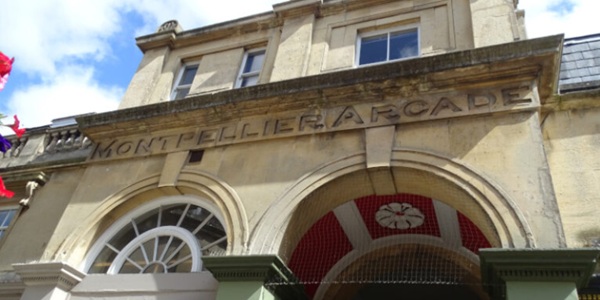
Take Great Western Railway from London Paddington directly to Cheltenham Spa station (about 2 hours), then walk 10 minutes to the city centre. Start along the **Promenade** — elm and horse chestnut trees planted in 1818 transformed a marshy path into a graceful tree-lined boulevard for ladies and gentlemen to "promenade", flanked by George Allen Underwood's 1820s classical terraces with cream stucco facades, Ionic columns and pediments — a textbook example of English Regency architecture. Midway, the **Neptune Fountain** (1893) designed by municipal engineer Joseph Hall and carved from Portland stone by R.L. Boulton & Sons features Neptune driving four seahorses with Tritons blowing conch shells on either side, inspired by Rome's Trevi Fountain — Cheltenham's most photographed landmark. Turn into **Montpellier Walk** — one of England's earliest purpose-built shopping arcades, built 1840, with 32 Caryatids modelled on those of the Athenian Acropolis; 2 original terracotta sculptures by London sculptor Rossi, the rest reproduced by local craftsmen. In the afternoon visit **Holst Victorian House** at 4 Clarence Road — composer Gustav Holst was born here in 1874. The house preserves a mid-Victorian middle-class home, including Holst's piano and workspace. Adults £10, children free, open 10:00-16:00 (last entry 15:30). In the evening, see the Holst statue (in the hexagonal fountain) in Imperial Gardens — he wrote The Planets Suite, Cheltenham's proudest son.
- Ellenborough Park 5-star country manor
- The Greenway Hotel 16th-century Elizabethan manor
- Queens Hotel Promenade landmark
- Le Champignon Sauvage Michelin star 30+ years
- Lumiere Michelin star 2026 four-peat
- Huffkins classic Regency tearoom
- Holst House no booking required but booking guarantees entry slot
- Best light for Regency architecture is 2-4pm
- During Festival (March), book hotels 6 months in advance
Day two captures Cheltenham's dual heritage of "spa + racing" in one sweep. Morning head north to **Pittville Pump Room** — built 1825-1842 by lawyer-banker Joseph Pitt, Cheltenham's largest and most magnificent spa building, Grade I listed, described by Visit Britain as "the crown jewel of Cheltenham's Regency architecture". Patients once drank the mineral waters and walked in the gardens for recreation; today the Pump Room hosts weddings and conferences, the gardens are free to enter, and you can order a traditional afternoon tea. Opposite, **Pittville Park** opened in 1825, Cheltenham's largest ornamental park, Grade II historic garden, with lake swans, iron bridge and lawns serving as the locals' weekend living room. In the afternoon return to town centre for **Everyman Theatre** — opened 1 October 1891 by architect Frank Matcham, originally called "New Theatre and Opera House", premiering Lilly Langtry in *Lady Clancarty*. Still the oldest operating Matcham auditorium in the UK, Grade II listed, restored in 2011 at a cost of £3.2 million. Backstage tours available by appointment. If visiting during the March Festival, head to **Cheltenham Racecourse (Prestbury Park)** — racing records since 1815, first Gold Cup Steeplechase in 1924, the annual pinnacle of British jump racing. The 2026 Festival runs 10-13 March, Gold Cup Day on Friday, tickets range from Club Enclosure (£80-£150) to Tattersall Enclosure (£50-£80).
- Train: Paddington direct approx 2 hours
- Driving: M5 Junction 11 approx 1.5 hours
- During Festival, consider steam special trains
- Regency Architecture Walk: free
- Holst Victorian House: £10/adult
- Pittville Park: free
- Everyman Tour: approx £8-£12
- Festival tickets: £50-£150/day
- Book Festival hotels 6 months in advance
- Racecourse tours available by appointment outside Festival
- Secret to Regency details: "look up"
Must-Try Foods in Cheltenham
Le Champignon Sauvage — 30+ Years Michelin Star
Located in The Suffolks district, Chef David Everitt-Matthias has held a Michelin star continuously for over 30 years since 1995. Creative French cuisine combined with local ingredients, just 32 seats, menu rewritten seasonally. Budget £80-£120 per person, reservations required weeks in advance.
Lumiere Restaurant — 2026 Four-Peat Michelin Star
Modern British restaurant on Clarence Parade, holding a Michelin star for the fourth consecutive year in 2026. Chef Ben Champkin uses local Cotswolds ingredients for refined tasting menus, approximately 8 courses with optional wine pairing. Budget £70-£100 per person.
Huffkins — Classic Regency Tearoom
Cheltenham's local chain bakery and tearoom, century-old recipe sourdough bread, signature scones with clotted cream and jam. Multiple branches on Promenade and Montpellier. Budget £8-£18 per person, the most accessible choice for experiencing English afternoon tea.
The Daffodil — Art Deco Restaurant
Converted from a 1930s cinema, retaining the Art Deco stage arch and dome. Dinner serves European cuisine and creative cocktails, live jazz on weekends. Budget £30-£55 per person, an elegant option for Cheltenham nightlife.
- March: Cheltenham Festival, global racing pilgrimage
- May-June: Regency gardens in full bloom
- July: Jazz/Literature/Science/Music festivals
- September-October: golden Regency facades + autumn colours
- Le Champignon Sauvage creative French
- Lumiere modern British tasting menu
- Huffkins scone afternoon tea
- The Daffodil Art Deco cocktails
- Dunkertons organic cider
- Tickets: £0-£10 (mostly free)
- Accommodation: £90-£250/night (Ellenborough Park 5-star)
- Dining: £15-£80/day (tearoom + Michelin)
- Transport: £0-£20 (train return or bus)
- Total: £10-£80 (day trip)
- Are Cheltenham and Gloucester the same place? → No, Cheltenham is a spa town, Gloucester is the county capital, about 10 miles apart
- Worth visiting if not a racing fan? → Absolutely, Regency architecture and Holst House are open year-round; racing is just a bonus
- What does Regency architecture mean? → Architectural style from the Regency period (later George IV), characterised by cream facades, Greek columns and elegant proportions
- Suitable for children? → Yes, Holst House has rich family activities, Pittville Park has large lawns and lake swans