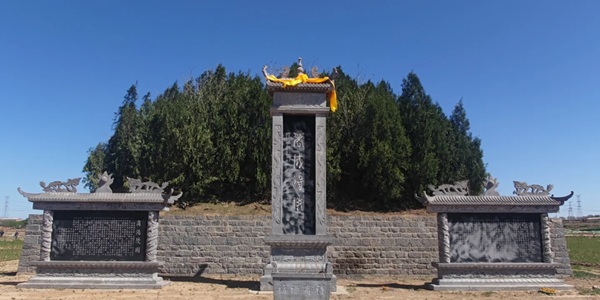
Caoxian, Heze, Shandong — historically known as Caozhou, the location of the ancient capital of the Shang dynasty, honored as "China's First Capital." It boasts historical and natural landscapes such as Shangtangling, Yiyin Temple, and the Yellow River Old Course, integrating Shang culture, Yellow River culture, and modern Hanfu industry. A 2-day in-depth tour unlocks the charm of this millennia-old county, experiencing the unique blend of history and nature.
Visit Shangtang ruins to trace history, explore the Yellow River Old Course, taste Caoxian specialties, experience Hanfu culture, and unlock the history and natural beauty of this ancient county.
Morning: Visit Shangtangling to trace the origin of Shang culture. Afternoon: Tour Yiyin Temple to learn about the deeds of the ancient sage prime minister. Evening: Explore the Hanfu Industrial Park to experience the charm of traditional attire, and stroll through Panshi Ancient City to enjoy the night scene.
Morning: Explore the Yellow River Old Course Wetland Park to experience wetland ecology. Afternoon: Stroll through the Ten Thousand Mu Lotus Pond to enjoy summer scenery. Visit Caoxian Museum to systematically learn local history. Shop for specialties before departure.
A traditional famous dish of Caoxian. Made from premium local yellow beef, processed through marinating, braising, and roasting. The meat is tender and flavorful. Vacuum-packed for easy carrying, it is a long-standing local specialty.
A specialty pasta of Caoxian, filled with lamb and green onions, made into a thick pancake nearly one meter in diameter, baked on a griddle. Crispy on the outside, tender inside, hearty and nutritious — a festive essential dish.
A common street snack in Caoxian, filled with pork and chives. The buns are first fried then steamed, resulting in a golden crispy bottom, fluffy white top, and juicy savory filling. Paired with millet congee, it forms a classic breakfast combination.
A delicacy made using the specialty product of the Ten Thousand Mu Lotus Pond. Marinated pork belly is wrapped in fresh lotus leaves and steamed. The meat is fatty but not greasy, with a subtle lotus leaf fragrance — an innovative dish integrating local characteristics.