Dingcheng District Tourism, Changde City, Hunan Province
Dingcheng District, Changde City, Hunan Province — the sub-center of Changde City, integrating landscape ecology, rural scenery, and ancient town culture. It features distinctive scenic spots such as Huayanxi, Nijiangping, and Xiejiapu Ancient Town. Experience the natural and cultural beauty of "Forest Park + Wetland Landscape + Ancient Town Heritage" in one day.
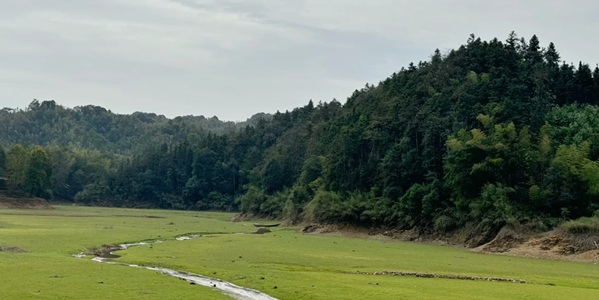
1-Day Ecological and Cultural Tour of Dingcheng District
Explore forests, view wetland scenery, trace ancient towns, and enjoy rural leisure
In the morning, visit Huayanxi National Forest Park to experience natural ecology and stroll around Nijiangping to enjoy rural scenery; in the afternoon, wander around Xiejiapu Ancient Town to experience folk culture and visit Yaotianping to learn about red history; in the evening, head to Dingcheng Wetland Park to enjoy the beautiful sunset over the wetland.
- There are tourist special lines from Changde urban area to Huayanxi
- Self-driving or chartered car is recommended from Huayanxi to Nijiangping
- There are township buses from Nijiangping to Xiejiapu Ancient Town
- Dingcheng Wetland Park is within walking distance in the urban area
- Huayanxi National Forest Park: ¥60 per person
- Nijiangping: Free
- Xiejiapu Ancient Town: Free
- Yaotianping: Free
- Dingcheng Wetland Park: Free
- Huayanxi Bamboo Shoots Stir-Fried with Bacon
- Nijiangping Organic Rice Flower Fish
- Xiejiapu Fermented Tofu
- Dingcheng Glutinous Rice Cake
Must-Try Foods in Dingcheng District
Huayanxi Bamboo Shoots Stir-Fried with Bacon
Using wild bamboo shoots from Huayanxi and homemade bacon from farmhouses, the bamboo shoots are fresh and crisp, and the bacon is salty and fragrant. The combination of the two is perfect, making it a signature dish of farmhouses around Huayanxi, reflecting the perfect combination of mountain flavor and farmhouse characteristics.
Nijiangping Organic Rice Flower Fish
A specialty of Nijiangping, the fish coexists with rice in the paddy fields, feeding on rice flowers and microorganisms in the water. The meat is tender and the taste is delicious. It can be steamed, braised in brown sauce or made into soup, which best reflects its original and fresh flavor, and is a must-have dish at local farmhouse banquets.
Xiejiapu Fermented Tofu
A traditional specialty of Xiejiapu Ancient Town with a history of over a hundred years. Made from high-quality soybeans through traditional fermentation techniques, it has a delicate taste and rich fragrance. It can be served as a side dish or used as a cooking condiment, and is a favorite traditional food of local people.
Dingcheng Glutinous Rice Cake
A traditional handmade pastry in Dingcheng District, made by steaming glutinous rice and repeatedly pounding it until it is delicate, then shaping it into round or square pieces. It can be fried or roasted, with a crispy outer layer and chewy inner layer. It is eaten with white sugar or brown sugar, and is a must-have food for local festivals and receiving guests.
- Spring (March-May): Huayanxi is full of blooming flowers, and rapeseed flowers are in full bloom in Nijiangping
- Summer (June-August): Huayanxi is cool and pleasant, suitable for summer vacation
- Autumn (September-November): The sky is high and the clouds are light, suitable for mountain climbing and rural sightseeing
- Winter (December-February): You can taste farmhouse cured meat and experience the rural New Year flavor
- Forest hiking and waterfall viewing in Huayanxi
- Rural scenery photography in Nijiangping
- Strolling on the ancient streets of Xiejiapu Ancient Town
- Learning red culture in Yaotianping
- Tasting authentic farmhouse dishes and special snacks
- Tickets: ¥60-80 (main expense is Huayanxi ticket)
- Catering: ¥50-100 (including farmhouses and special snacks)
- Transportation: ¥40-80 (self-driving or chartered car is recommended)
- Shopping: ¥30-100 (specialties and souvenirs)
- Total: ¥100-350
- Is Huayanxi suitable for traveling with children? → Yes, there are relatively gentle trails and parent-child activity areas
- Best photography time in Nijiangping? → Early morning or evening, with soft light and beautiful scenery
- Is there accommodation in Xiejiapu Ancient Town? → Yes, there are characteristic homestays and farm inns
- Transportation from Dingcheng District to Changde urban area? → There are buses and public transport, with a journey of about 40 minutes