Baodi District Travel
Baodi District, Tianjin — an important ecological barrier east of Beijing. The Chaobai River flows through like a silver ribbon, endowed with rare hot spring resources, spectacular rice paddy art, and the millennium-old Guangji Temple. Enjoy the unique charm of this northern watertown on a 2-day-1-night trip.
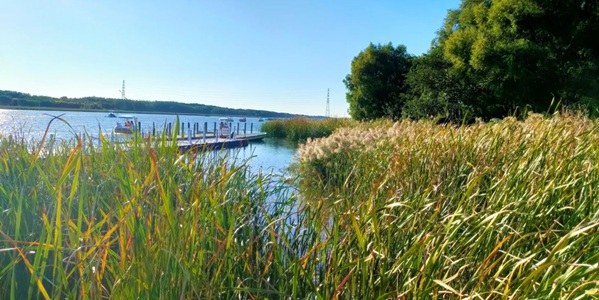
Baodi District — 2 Days 1 Night Eco & Wellness Tour
Bird watching at the wetland, hot spring therapy, rice paddy art viewing, ancient temple prayer — experience Baodi's nature and culture
Bird watching and hiking at Chaobai River Wetland in the morning; enjoy river fish lunch; pick fruits at Jingbao Farm in the afternoon; relax in hot spring pools in the evening.
- Hot Spring Resort Hotel
- B&B near Wetland Park
- Business Hotel in Baodi Urban Area
- Braised Crucian Carp (Chaobai River Style)
- Baodi Garlic Stir-fried Pork
- Rice Field Crab
- Hot Spring Wellness Set Menu
- Farmhouse One-Pot Stew
- Bring binoculars for bird watching — best at dawn or dusk
- Swimwear required for hot springs; some hotels provide towels
- Fruit picking charged by weight, approx. ¥20–40/jin (500g)
Admire the giant rice paddy art at Huangzhuangwa and experience farm activities in the morning; enjoy a farmhouse banquet at Xiaoxinmatou Village; visit Guangji Temple for prayer and tour Erwangzhuang Reservoir in the afternoon.
- Take Baodi Bus No.2 to Huangzhuang Stop for Rice Paddy Art
- Xiaoxinmatou Village is 2 km from the paddy field — walk or take a taxi
- Take Baodi Bus No.5 to Quanbao Supermarket Stop, then walk to Guangji Temple
- Chaobai River National Wetland Park: Free
- Baodi Hot Spring City: ¥188–298 (varies by hotel)
- Huangzhuangwa Rice Paddy Art: ¥30
- Guangji Temple: ¥10
- Xiaoxinmatou Village: Free
- Best light for rice paddy photography: before 10:00 or after 16:00
- Book farmhouse meals in advance — recommended: Rice Field Crab Feast
- No photos inside Guangji Temple — please respect temple rules
Must-Try Local Food in Baodi
Baodi Garlic (Golden Garlic)
A Geographical Indication product with over 600 years of cultivation history. Grown in sandy soil, it features large cloves, thin skin, moderate spiciness and rich aroma — known as "Golden Garlic". Often eaten raw or used in "Baodi Garlic Stir-fried Pork".
Chaobai River Crucian Carp
Wild crucian carp from the Chaobai River section in Baodi. Thanks to clean water, the flesh is tender and umami-rich. Usually braised with soy sauce or cooked in soup. The riverside restaurants serve the classic "Braised Crucian Carp with Cornbread".
Huangzhuangwa Rice Field Crab
Farmed in the rice paddies of Huangzhuangwa, feeding on rice blossoms and insects. Firm meat with plump roe — peak season is Sep–Oct. Try "Steamed Rice Field Crab" or "Wine-Marinated Crab" at Xiaoxinmatou Village.
Baodi One-Pot Stew (Yi Guo Xian)
A traditional farmhouse dish — pork ribs, corn, potato and green beans are stewed in a large iron wok, with cornbread (wowotou) or flatbread pasted to the rim. Multiple flavors from one pot, embodying northern rural culinary wisdom.
- Spring (Mar–Apr): Watch northward migratory birds at wetland; rapeseed flowers bloom
- Summer (Jul–Aug): Best time for rice paddy art; cool retreat at wetland
- Autumn (Sep–Oct): Fat rice field crabs; southward bird migration
- Winter (Dec–Feb): Hot spring wellness season; try snow-side hot spring
- Baodi Garlic Stir-fried Pork (city restaurants)
- Braised Crucian Carp (near wetland)
- Steamed Rice Field Crab (Xiaoxinmatou Village)
- Baodi One-Pot Stew
- Hot Spring Wellness Set Menu (resort hotels)
- Tickets: Approx. ¥50
- Hot Spring Experience: ¥200–300
- Accommodation: ¥200–400/night
- Meals: ¥100–150/day
- Transport: Approx. ¥50 (self-driving recommended)
- Total: ¥800–1,500
- Is camping allowed at Chaobai River Wetland? → Yes, in designated areas with prior application
- Is the rice paddy art theme the same every year? → No, it changes annually; planting completes mid-July
- Does Guangji Temple offer vegetarian food? → Yes, a vegetarian canteen is available 11:00–13:00
- Is Baodi Hot Spring City suitable for kids? → Yes, with children's pools and water park