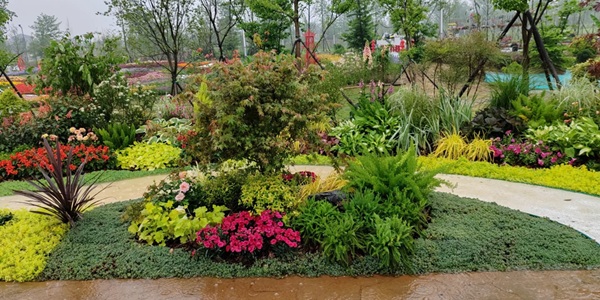
Ziyang District, Yiyang City, Hunan Province — the old town of Yiyang, boasts profound historical and cultural heritage, integrating river island scenery, ancient city relics, and religious culture. It is home to distinctive attractions such as Qinglongzhou, Three Kingdoms Ancient City Wall, and Bailu Temple. Experience the beauty of history and culture featuring "River Island Scenery + Ancient City Imprints + Zen Ancient Temple" in one day.
Explore river islands, trace ancient city tracks, pay homage to ancient temples, and reminisce in old streets
In the morning, visit Qinglongzhou to enjoy the ecological scenery of the river island and explore the Three Kingdoms Ancient City Wall to learn about its historical evolution; in the afternoon, pay homage to Bailu Temple to experience Zen culture and stroll along the Zijiang Scenic Belt to admire the river view; in the evening, wander around the Ming and Qing Ancient Street to experience the civic life of the old town.
A traditional specialty snack in Ziyang District, different from Changsha stinky tofu, Ziyang stinky tofu is crispier with more local characteristic seasonings. Crispy on the outside and tender on the inside, with a unique aroma, served with special chili sauce, it is one of the most popular snacks in Ziyang's old street.
Using fresh live fish from the Zijiang River, grilled and sold on the spot by the river, cooked with various spices and vegetables. The fish meat is tender and spicy, a popular food at the night market of Zijiang Scenic Belt, loved by both locals and tourists.
A traditional pastry from Ziyang's Ming and Qing Ancient Street, made of glutinous rice flour, coated with sugar oil and fried until golden. Crispy on the outside and glutinous on the inside, sweet but not greasy, it is a favorite dessert of locals and a must-try traditional food for tourists.
Special vegetarian food of Bailu Temple, using seasonal vegetables, bean products and fungi, cooked with traditional temple craftsmanship. The dishes are light and delicious, reflecting the characteristics of Buddhist dietary culture, and can be tasted in the temple's dining hall.